
Inside the watery cytoplasm of a single-celled amoeba, a hostile takeover is underway. A giant virus, hundreds of times larger than a common cold virus, has breached the cell’s defenses. It has constructed a sprawling, intricate “viral factory,” a dedicated zone for assembling thousands of new copies of itself. But just as production ramps up, a second, much smaller intruder arrives. This new virus, a mere speck next to the giant, ignores the amoeba entirely. Instead, it makes a beeline for the viral factory and begins to hijack the hijacker. This microscopic drama reveals the existence of virophages, viruses that prey on other viruses, complicating our very definition of a parasite.
The Surprising World of Virophages
The scene inside the amoeba is a stunning example of hyperparasitism, a layered relationship where a parasite becomes host to its own parasite. It is like a pirate crew successfully seizing a treasure ship, only to discover that a band of mutineers has been quietly looting the treasure from the captain’s cabin all along. This is the world of virophages. These entities are small viruses that are completely dependent on a co-infecting giant virus for their replication. They cannot reproduce on their own or by using the host cell’s machinery directly. Instead, they co-opt the replication machinery that the giant virus painstakingly builds for itself.
The discovery of these viral predators has sent ripples through the scientific community. It challenges the long-held view of viruses as simple, non-living agents at the bottom of the food chain. The existence of virophages suggests a far more complex and dynamic microbial ecosystem, where viruses themselves can be prey. This interaction is not a partnership. The virophage actively harms the giant virus, sabotaging its replication and reducing its ability to spread. This three-way conflict between the host cell, the giant virus, and the virophage reveals a hidden layer of biological warfare that reshapes our understanding of viral evolution and ecology.
Discovery of Sputnik: A Parasite’s Parasite
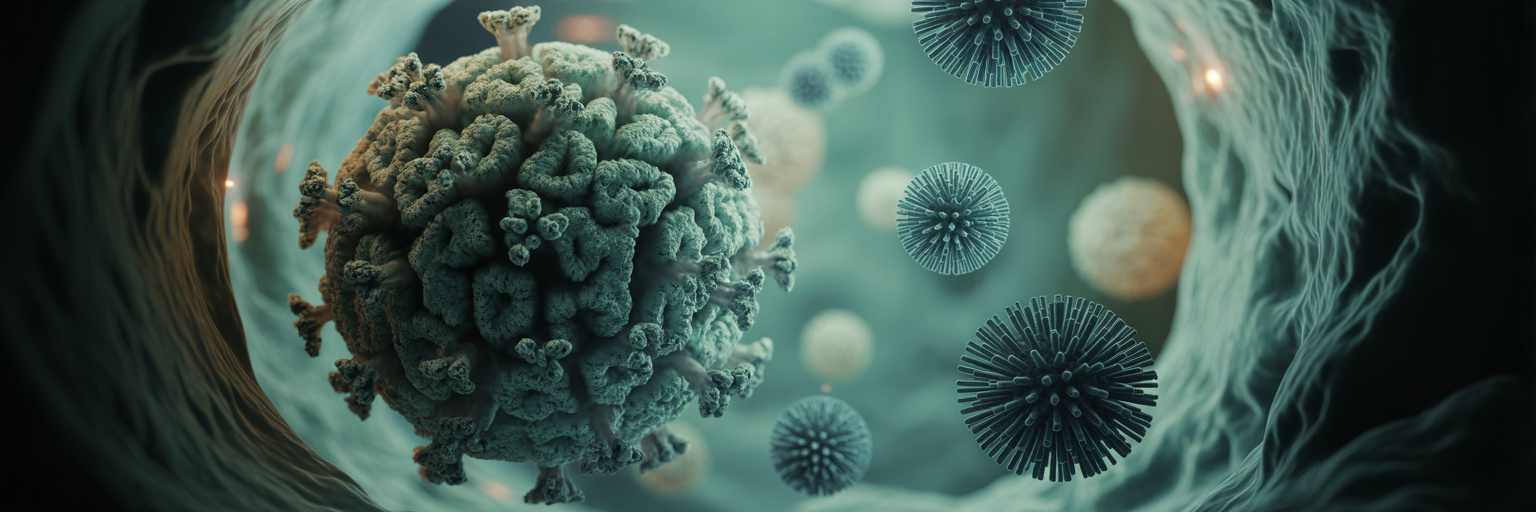
The first glimpse into this hidden world came by accident. In 2008, a team of French researchers led by Bernard La Scola was studying a giant virus known as Acanthamoeba polyphaga mimivirus, or APMV. This colossal virus, originally mistaken for a bacterium, was first isolated from the water of a cooling tower in Paris. While cultivating the mimivirus in amoebae, the scientists noticed something strange. Some of their viral cultures were struggling, producing far fewer new giant viruses than expected. The replication process seemed to be impaired.
Curious, they turned to electron microscopes for a closer look. There, clustered around the massive mimivirus replication factories, they saw them: tiny, 50-nanometer icosahedral particles that were not supposed to be there. These small viruses were present only in the failing cultures. The researchers realized they had found a parasite of the mimivirus. They named it the Sputnik virus, drawing an analogy to the first artificial satellite. Just as the Sputnik satellite orbited the Earth, this new virus was a satellite of the giant mimivirus, completely dependent on it. The groundbreaking discovery, published in the journal Nature in 2008, named the new entity Sputnik and detailed its parasitic relationship with the mimivirus.
Initial analysis of Sputnik’s genome revealed it was no ordinary satellite virus. It contained genes for building its own protein shell, or capsid, something many simple satellite viruses lack. It also possessed genes with no known counterparts in other viruses, suggesting it belonged to a new and distinct class of viral agent. The discovery of Sputnik opened the door to a whole new field of virology, proving that even viruses have their own pathogens.
How Can a Virus Infect Another Virus?
The process of a giant virus infection by a virophage is a masterpiece of biological opportunism. It relies on a delicate three-way relationship between the host amoeba, the giant virus, and the virophage. The giant virus initiates the process by infecting the amoeba. Once inside, it doesn’t just scatter its components throughout the cell. Instead, it constructs a highly organized and protected compartment within the host’s cytoplasm known as the viral factory. This factory is the command center for the giant virus, concentrating all the enzymes, proteins, and raw materials stolen from the host cell that are needed to build new virus particles.
The virophage’s strategy is to exploit this pre-built workshop. It often enters the host cell by piggybacking on the giant virus during the initial invasion. Once inside, the virophage makes its way to the viral factory. There, it co-opts the very machinery the giant virus assembled for its own use. It uses the giant virus’s own enzymes to copy its genetic material and hijacks the factory’s assembly lines to construct its own capsids. This layered dependency, where one organism’s survival is tied to two others, echoes the complex strategies seen in other parasites.
Imagine a contractor investing time and resources to build a state-of-the-art workshop, complete with custom tools and a stockpile of premium materials. But every night, a rival sneaks in, uses the tools, and depletes the materials to complete their own projects. The contractor’s work is slowed, the quality suffers, and the rival thrives at their expense. This is precisely what happens inside the amoeba. The virophage doesn’t build its own factory, it simply takes over the one its host built, turning the giant virus’s greatest asset into its biggest liability.
The Crippling Effect on the Giant Virus
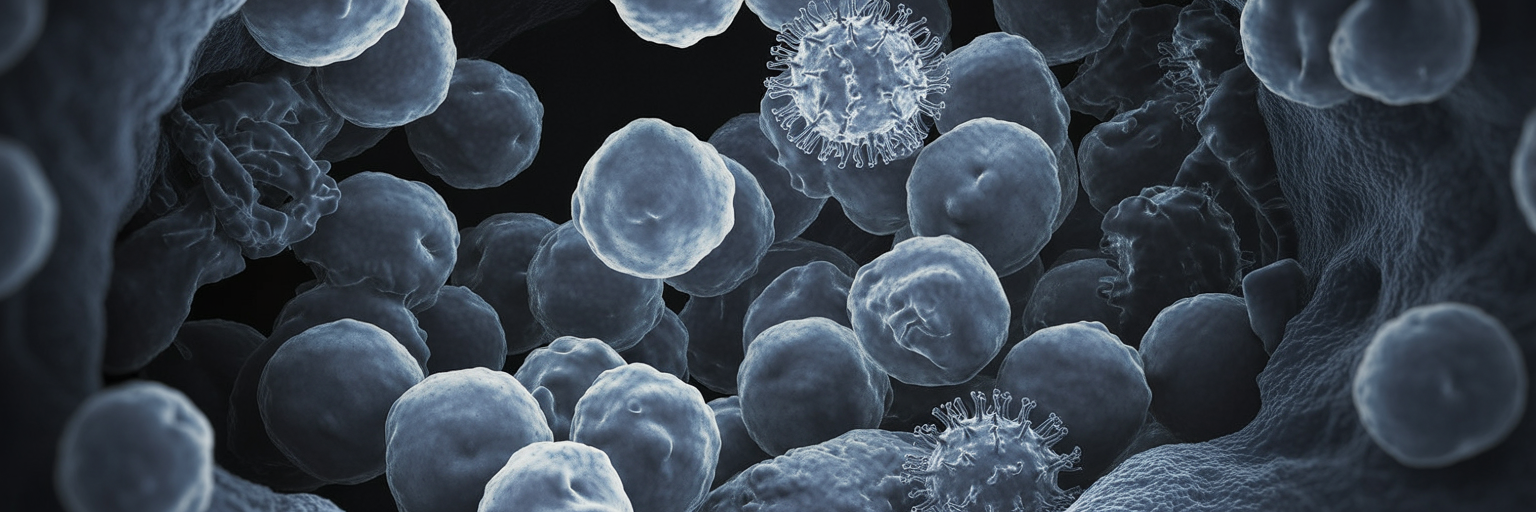
The relationship between a virophage and its giant virus host is not symbiotic, it is unequivocally parasitic and damaging. The presence of a virophage like Sputnik has a devastating impact on the giant virus’s ability to replicate successfully. This is not just a minor inconvenience, it is a full-blown infection that compromises the giant virus’s core function. Research has shown that a co-infection with Sputnik can reduce the yield of infectious mimivirus particles by as much as 70%.
The damage is both quantitative and qualitative. The virophage’s interference with the viral factory leads to a host of problems for the giant virus, including:
- Reduced Yield: Far fewer new giant virus particles are successfully assembled.
- Malformed Capsids: Many of the giant viruses that are produced are structurally defective, with improperly formed shells.
- Empty Particles: The factory produces “abortive” capsids that fail to package the giant virus’s DNA, rendering them non-infectious.
This leads some scientists to use the metaphor of a virus getting “sick.” While viruses are not alive in the biological sense, a virophage infection effectively cripples their ability to propagate, which is their sole biological imperative. This form of biological sabotage, where the virophage essentially turns the giant virus’s own machinery against it, is a theme seen across nature. In a final twist, the presence of the virophage can sometimes cause the host amoeba to burst open prematurely. This is fatal for the giant viruses still under construction, but it allows the newly assembled virophages to disperse and seek new hosts.
An Unlikely Cellular Defense System
While the virophage is disastrous for the giant virus, it provides an unexpected benefit to the original host: the amoeba. By sabotaging the giant virus, the virophage acts as an accidental bodyguard for the amoeba population. In cultures where virophages are present, the amoebae have a higher survival rate because the giant virus infection is less lethal. This has sparked a fascinating scientific debate: is this a genuine, co-evolved immune defense, or just a fortunate byproduct of a parasitic squabble?
The argument for a true defense system was strengthened by a remarkable discovery. Researchers found that the genomes of some single-celled organisms contain integrated fragments of virophage DNA. These “endogenous virophage elements” are remnants of past infections that have become a permanent part of the host’s genetic code. These embedded genes can function as a heritable immune memory. When a giant virus invades a cell carrying these elements, the virophage genes can be activated, producing virophages that immediately attack the invader. It is a pre-loaded defense system, ready to fight off a specific threat.
This system is functionally similar to the CRISPR-Cas system in bacteria, where fragments of viral DNA are stored to recognize and fight future infections. However, scientists are careful to point out the differences. The evolutionary origins and intent of the virophage defense are still under investigation. While the protective effect is clear, it remains an open question whether this represents a deliberately evolved immune strategy on the part of the host or simply a lucky consequence of ancient viral battles. The answer likely lies somewhere in between, showcasing a unique evolutionary pathway to immunity.
Beyond Sputnik: A Growing Viral Family
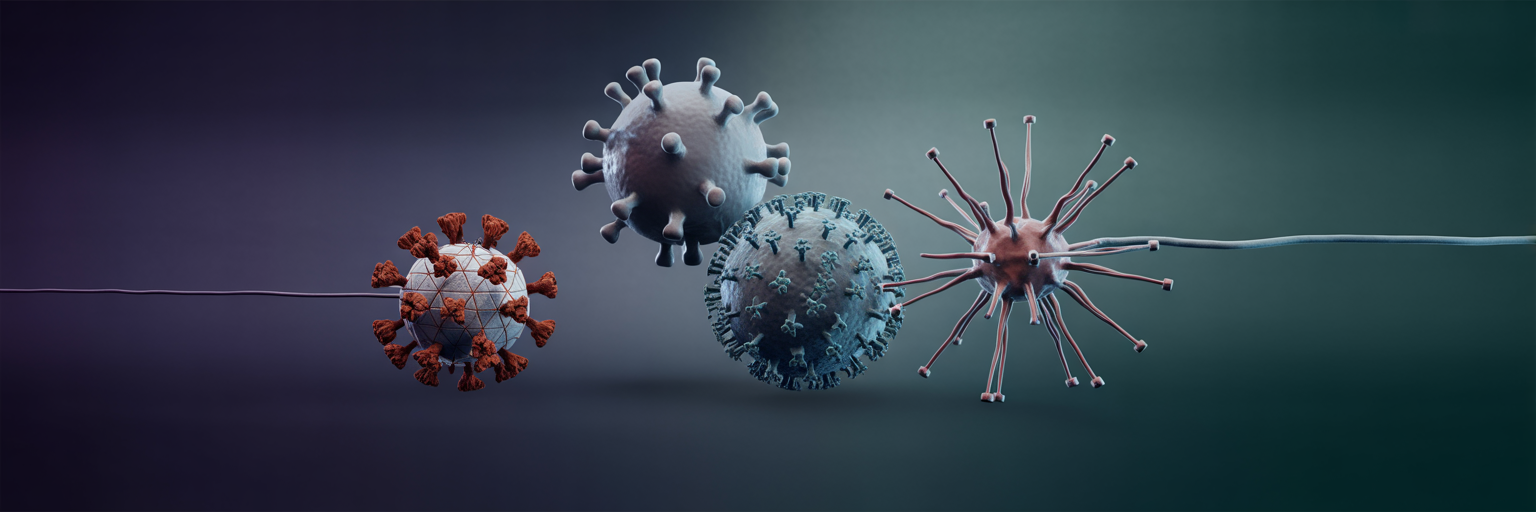
For a time, Sputnik was a biological curiosity. But it soon became clear it was not a fluke. Since its discovery, scientists have identified a growing family of virophages in diverse environments across the globe, proving this three-way interaction is a common feature of microbial ecosystems. One notable discovery was the Mavirus virophage. It parasitizes a different giant virus, the *Cafeteria roenbergensis virus* (CroV), which infects a common marine plankton. Mavirus is particularly interesting because its genome suggests an evolutionary link to a class of mobile genetic elements known as Mavericks, hinting at a complex history of gene exchange between viruses and their hosts.
Another key player is the Zamilon virophage. Its discovery led to another layer of complexity. Researchers found that Zamilon could infect some strains of mimivirus but not others. This resistance led them to identify a novel defense mechanism in the giant virus itself, which they named the MIMIVIRE system. This system functions like a viral immune system, allowing the mimivirus to fend off the Zamilon virophage. It was the first time a virus was shown to have a defense system against another virus.
These are not isolated examples. Virophages have been found in oceans, lakes, and soil, each with its own giant virus host. The ability of some, like Mavirus, to integrate their DNA directly into the genome of their host organism provides a powerful, ready-made defense against future giant virus attacks. The expanding family of virophages demonstrates that the microscopic world is a battleground of complex alliances and rivalries that we are only just beginning to understand.
The Great Classification Debate: Virophage or Satellite?
The discovery of virophages has created a taxonomic puzzle that scientists are still working to solve. The central question in the satellite virus vs virophage debate is whether these entities deserve their own classification or if they are simply a subtype of satellite viruses. A satellite virus is broadly defined as a subviral agent that depends entirely on a co-infecting “helper” virus to replicate. By this definition, virophages clearly fit, as they are helpless without their giant virus host.
However, proponents of a distinct “virophage” classification point to several key features that set them apart from typical satellites. As outlined in reviews in journals like PLOS Pathogens, the argument for a separate classification rests on several key features. First, their effect on the helper virus is consistently and significantly harmful, whereas traditional satellites can have neutral, or even beneficial, effects. Second, virophages have larger and more complex genomes, encoding for 20 to 30 or more genes, while most satellites have fewer than 10. Finally, virophages encode most or all of their own structural proteins, giving them a degree of autonomy that many satellites, which often borrow proteins from their helper, do not have.
The debate highlights how discoveries like virophages push the boundaries of virology, forcing scientists to refine their definitions. While the descriptive term “virophage” is now widely used, its formal taxonomic status remains a subject of discussion.
| Feature | Typical Satellite Virus | Virophage |
|---|---|---|
| Helper Virus Requirement | Yes, required for replication | Yes, requires a co-infecting giant virus |
| Effect on Helper Virus | Variable (can be neutral, beneficial, or harmful) | Consistently harmful (deleterious) |
| Genome Size & Complexity | Generally small and simple (<10 genes) | Larger and more complex (20-30+ genes) |
| Capsid Protein Genes | Often borrows from helper virus | Encodes most or all of its own capsid proteins |
| Primary Target | Depends on helper virus for replication machinery | Specifically hijacks the giant virus’s ‘viral factory’ |
Why This Hidden World Matters to Us
It is easy to dismiss the battles of microscopic organisms in a drop of water as irrelevant to our daily lives, especially since virophages do not infect humans. However, their existence has profound implications for our understanding of the planet. Giant viruses are not just curiosities; they are major players in global microbial ecosystems. They infect vast populations of algae and plankton, which are the foundation of aquatic food webs and play a critical role in regulating Earth’s carbon and nutrient cycles. By controlling the populations of these giant viruses, virophages add a crucial layer of regulation to processes that affect the entire planet’s health.
The study of virophages also opens a new window into viral evolution. It reveals a history where viruses have not only been predators of cellular life but also of each other, engaging in an arms race that has shaped their genetic makeup for eons. This complex food web, with virophages preying on giant viruses that prey on amoebae, is as dynamic and interconnected as any visible ecosystem. Furthermore, the discovery of heritable, virophage-based immunity in protists offers a new model for how organisms can acquire defenses against pathogens, providing fresh insights for biotechnology and medicine.
Ultimately, virophages demolish the simplistic view of viruses as passive, inert particles. They reveal a hidden world of intricate alliances, betrayals, and rivalries that fundamentally alters our picture of life on Earth. They prove that even at the smallest scales, biology is far more complex and fascinating than we ever imagined.
Frequently Asked Questions About Virophages
What is a virophage?
A virophage is a small virus that can only replicate by hijacking the replication machinery of a larger, co-infecting virus, known as a giant virus. It is a parasite of another virus.
Can a virus really get sick?
Metaphorically, yes. While viruses are not technically alive, a virophage infection impairs a giant virus’s ability to replicate successfully, causing it to produce fewer and often defective copies. This functional impairment is analogous to a sickness.
Do virophages protect their host cells?
Indirectly, yes. By attacking and crippling the giant virus that has infected a cell (like an amoeba), the virophage reduces the giant virus’s lethality. This increases the survival rate of the host cell population. Some hosts even carry virophage genes as a built-in defense system.
Are virophages alive?
This touches on the classic debate about whether any virus is alive. Like all viruses, virophages exist on the edge of life. They are complex biological entities with their own genetic material, but they are completely dependent on the machinery of other organisms (in this case, other viruses) to replicate.
Where was the first virophage found?
The first virophage, named Sputnik, was discovered in 2008 in a water cooling tower in Paris, France. It was found alongside the giant mimivirus it infects.
Are virophages the same as satellite viruses?
This is a topic of scientific debate. Virophages are a type of satellite virus because they depend on a helper virus. However, many scientists argue their unique characteristics, such as being consistently harmful to their host virus and having more complex genomes, warrant placing them in their own distinct classification.