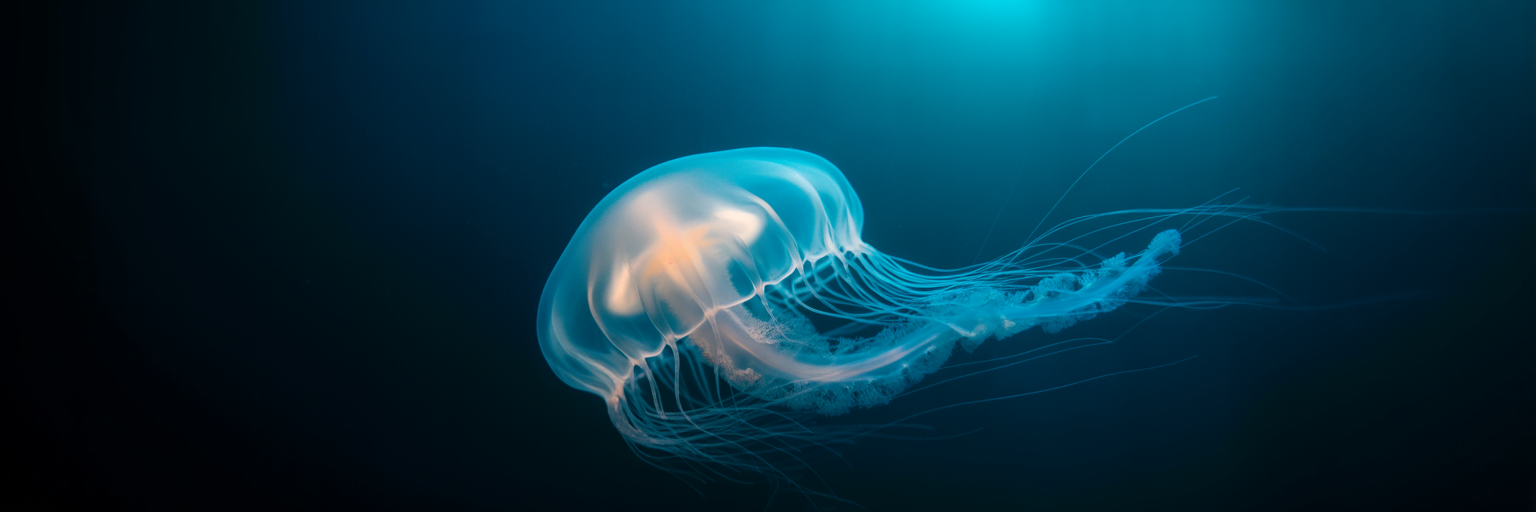
Challenging the Myth of the Immortal Jellyfish
The human search for eternal life is a story as old as civilization itself. In this quest, science reporters and internet listicles have found a popular icon: *Turritopsis dohrnii*, the immortal jellyfish. This tiny creature, no bigger than a pinky nail, is said to hold the secret to cheating death. The reality, however, is far more complex and scientifically fascinating than the headlines suggest. The popular notion of an unkillable animal is a compelling misunderstanding of a unique survival mechanism.
The term biological immortality explained in this context does not mean invincibility. Instead, it describes an organism’s ability to escape death from old age, a process known as senescence. While most living things follow a one way path from birth to death, *Turritopsis dohrnii* can, under specific circumstances, reverse its development and return to a juvenile state. It is a biological reset button, not a shield against all harm. This jellyfish is not immortal, it is just not programmed to die from getting old.
This distinction raises critical questions. How does this remarkable survival strategy actually work, and what are its limitations in the unforgiving ocean environment? If it does not die from old age, then what kills the immortal jellyfish? Separating scientific fact from popular fiction reveals a creature that is less a god and more a master of biological recycling, one that still faces a multitude of mortal threats every day.
The Conventional Life Cycle of Turritopsis Dohrnii
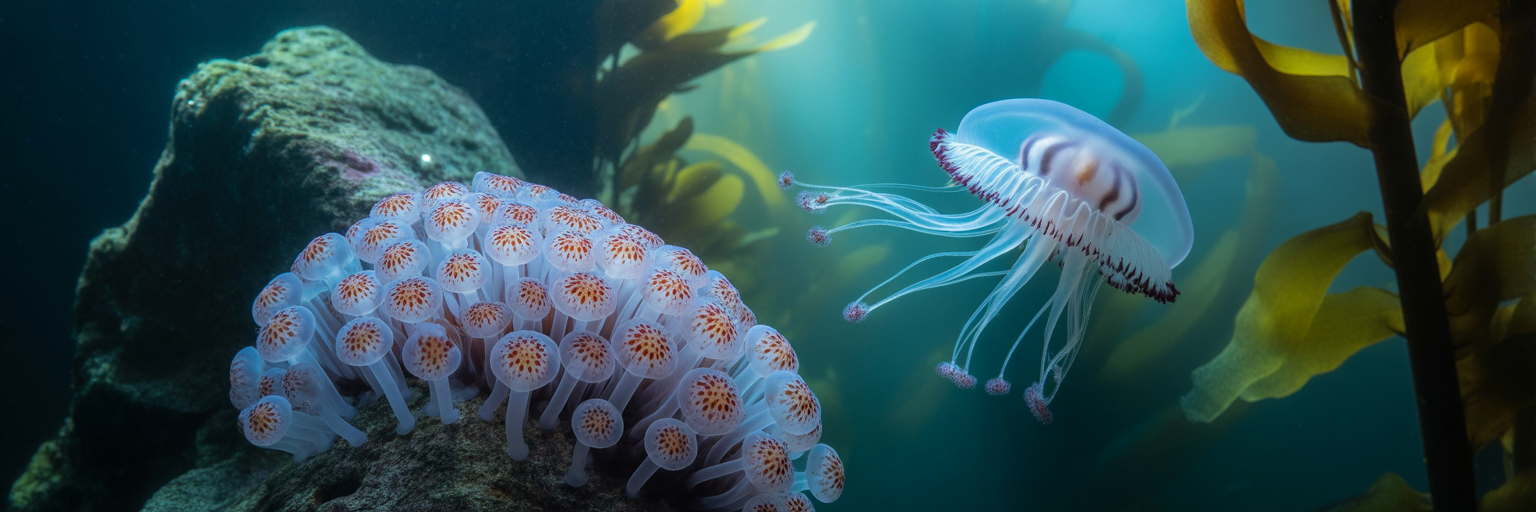
To understand how the immortal jellyfish defies its own aging, we must first look at its normal developmental path. The *Turritopsis dohrnii* life cycle begins like that of most other jellyfish, a straightforward progression from a fertilized egg to a sexually mature adult. This conventional journey is essential for the continuation of the species through reproduction.
The process starts when a mature male and female medusa release sperm and eggs into the water. Once fertilized, the egg develops into a tiny, free swimming organism called a planula larva. Propelled by cilia, this larva drifts through the ocean currents, searching for a suitable hard surface on the seafloor, such as a rock or ship’s hull, to begin the next phase of its life.
Upon finding a home, the larva attaches itself and transforms into a stationary polyp. In this stage, the organism looks more like a small sea anemone than a jellyfish. This polyp then grows into a branching colony of genetically identical polyps, connected by feeding tubes. This plant like structure represents the juvenile, asexual phase of the jellyfish’s existence.
Through a process of asexual budding, this polyp colony eventually releases miniature, immature jellyfish known as ephyrae. These tiny medusae break away from the colony and swim off to grow into the familiar bell shaped adult form. Once fully mature, the adult medusa becomes capable of sexual reproduction, producing the eggs and sperm that will start the cycle anew. For nearly every other jellyfish species on the planet, death follows shortly after this reproductive act, marking the definitive end of its individual life.
How the Jellyfish Reverses Its Biological Clock
The immortal jellyfish’s claim to fame lies in its ability to interrupt this one way life cycle. When faced with extreme adversity, it does not simply die. Instead, it initiates a remarkable process of jellyfish reverse aging. This is not a casual act but a desperate survival tactic triggered by severe environmental stress, physical damage, or starvation. Rather than succumbing to the pressure, the adult medusa begins to deconstruct itself to be reborn.
The transformation is dramatic. The jellyfish’s bell and tentacles start to deteriorate and fold inward, with the entire organism contracting into an inert looking blob called a cyst. This cyst, which might be mistaken for debris, sinks to the seafloor. This stage is not a form of hibernation but an active process of cellular reorganization. The jellyfish is systematically dismantling its adult body, breaking down specialized tissues to their fundamental components.
From this cyst, a new, juvenile polyp colony sprouts, genetically identical to the medusa that formed it. This new colony can then mature and eventually bud off new adult medusae, effectively resetting the organism’s biological clock. The individual has not died but has reverted to its earliest life stage to start over. This ability is similar to other extreme survival strategies in the animal kingdom, such as the animal that survives by shrinking its own organs to conserve energy. The jellyfish takes this concept a step further, completely disassembling its form to ensure the survival of its genetic lineage.
| Aspect | Forward Life Cycle (Reproduction) | Reverse Life Cycle (Rejuvenation) |
|---|---|---|
| Trigger | Sexual maturity and fertilization | Environmental stress, injury, or starvation |
| Process | Egg → Larva → Polyp → Medusa | Adult Medusa → Cyst → Polyp |
| Starting Point | Fertilized egg | Mature or damaged adult medusa |
| End Result | Genetically distinct offspring | Genetically identical juvenile polyp |
| Purpose | Continuation of the species | Survival of the individual organism |
The Cellular Magic of Transdifferentiation
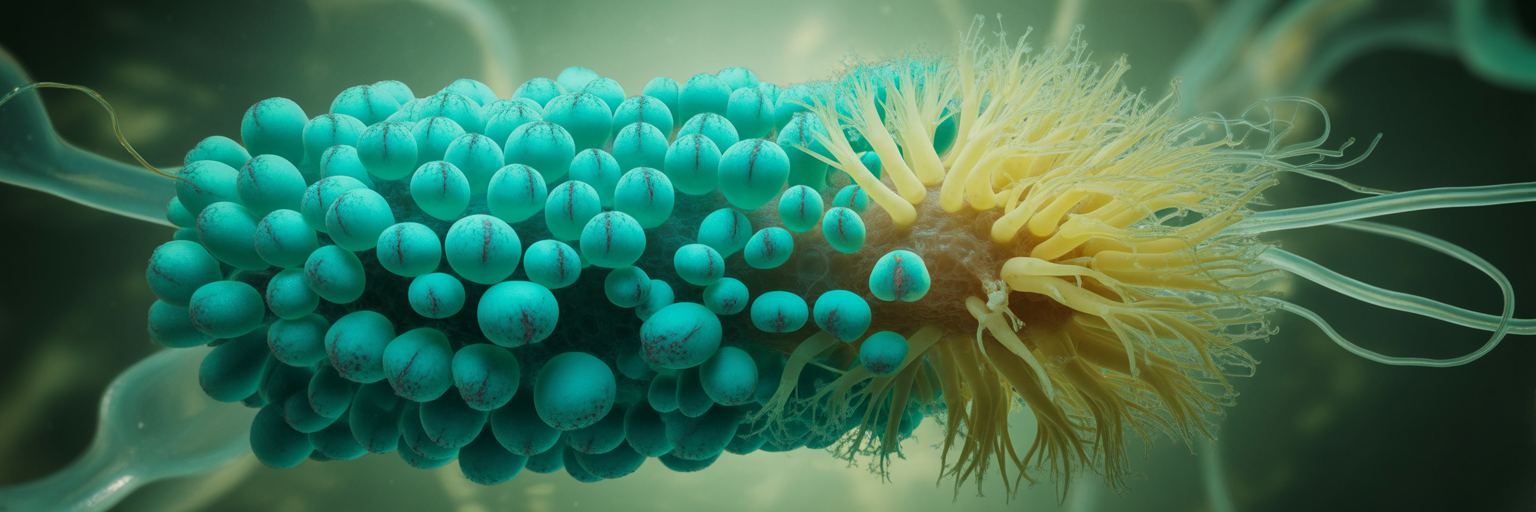
The scientific mechanism behind this age reversal is a rare biological process known as transdifferentiation. Transdifferentiation in jellyfish is the ability of a specialized, mature cell to transform directly into a completely different type of specialized cell. Imagine a muscle cell from the jellyfish’s bell becoming a nerve cell or a skin cell without first reverting to a primitive stem cell state. It is like a factory worker retraining for an entirely new profession on the spot, using their existing experience to adapt.
This process is fundamentally different from the regeneration seen in other animals. Creatures like starfish or planarians rely on pools of undifferentiated stem cells to regrow lost limbs. You can explore more about these different biological strategies for regrowth and repair by reading about the secrets of planarian regeneration. *Turritopsis dohrnii*, however, repurposes its existing specialized cells, orchestrating a complete cellular reset across its entire body. It is a far more profound and comprehensive transformation.
Recent genetic research has begun to illuminate how the jellyfish accomplishes this feat. As a 2022 study in the Proceedings of the National Academy of Sciences notes, scientists found that during the reversal process, the jellyfish activates a unique set of genes. Specifically, it has a doubled number of genes related to DNA repair and protection compared to its mortal relatives. These genes help safeguard its genetic code during the stressful and radical reorganization of its body, preventing mutations and ensuring the resulting polyp is a perfect clone. This genetic toolkit allows the jellyfish to rebuild itself from the ground up using its existing parts, ensuring a flawless cellular reboot.
A Question of Identity: Is It the Same Animal?
The jellyfish’s ability to revert to a polyp raises a compelling philosophical question alongside the biological one. From a purely genetic standpoint, the answer is simple. The new polyp that emerges from the cyst is a clone, carrying the exact same DNA as the adult medusa that preceded it. Biologically, it is the same organism continuing its life.
However, the philosophical implications are more complex. If an organism completely loses its body, its structure, and any potential cellular memory to become a juvenile form again, can it truly be considered the same individual? This puzzle is reminiscent of the Ship of Theseus paradox, which asks whether an object that has had all its components replaced remains fundamentally the same object. The adult medusa, with its bell, tentacles, and nervous system, ceases to exist. It is dismantled and reassembled into something entirely different.
The concept of individuality is further complicated by the jellyfish’s colonial polyp stage. A single polyp gives rise to a colony of many interconnected, genetically identical polyps, which then bud off numerous medusae. This challenges our human centric view of a single, continuous life defined by one body. While the genetic lineage of the *Turritopsis dohrnii* persists through the reversal, the process feels less like rejuvenation and more like a complete rebirth. The individual identity of the medusa is sacrificed to create a new one, ensuring the organism’s genetic code survives even if its current form does not.
The Gap Between Laboratory Potential and Ocean Reality
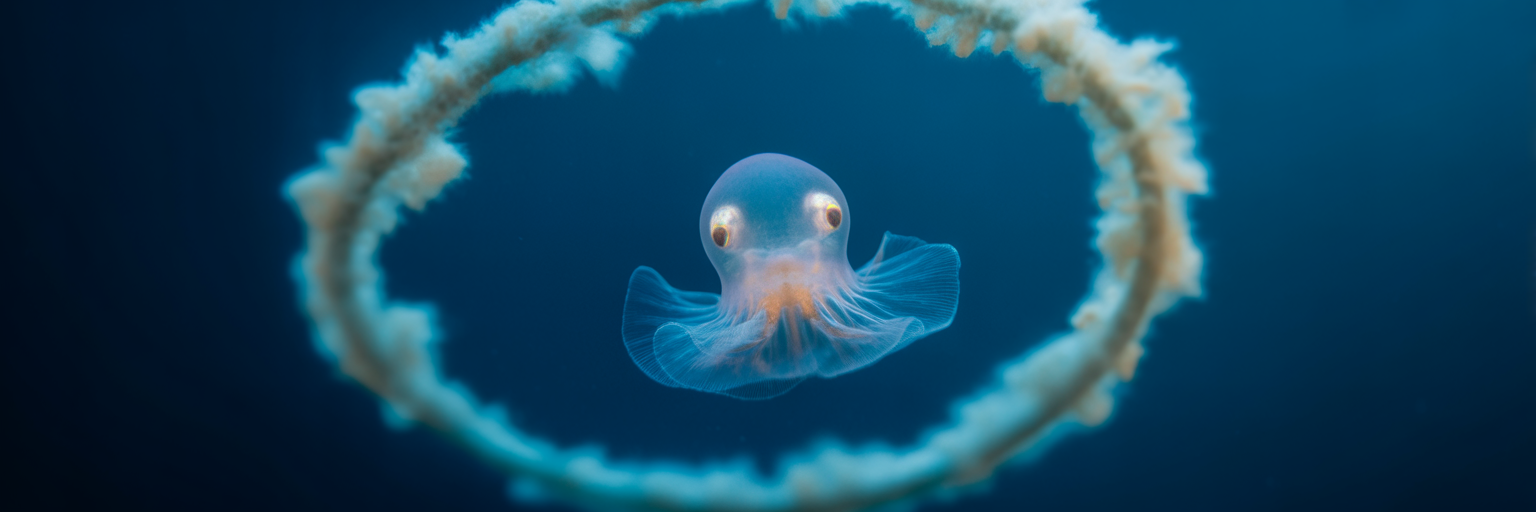
While the immortal jellyfish’s potential for endless life cycles is astounding, it is crucial to ground this ability in real world context. The vast majority of observations of this life cycle reversal have occurred under controlled laboratory conditions. In a lab, scientists can easily induce the process by changing water temperature, starving the jellyfish, or even snipping it with scissors. This allows for close study of a phenomenon that is nearly impossible to witness in nature.
The ocean is not a sterile petri dish. Observing a tiny, translucent creature undergoing a multi day transformation in the vast, murky depths is an immense challenge. Consequently, the frequency of this reversal in the wild is largely an inference based on its known capabilities, not a commonly documented event. We know it can happen, but we have little idea how often it does.
Furthermore, the transformation is not guaranteed to succeed. The process of deconstruction and reconstruction is energetically demanding. A jellyfish that is already weakened by starvation or disease may not have the resources to complete the reversal and could die during the attempt. It is also unclear whether every individual *Turritopsis dohrnii* is capable of this feat. Factors such as the jellyfish’s age, its overall health, and the specific nature of the environmental stress likely influence its ability to successfully reset its life cycle. The gap between what is possible in a lab and what is probable in the ocean remains significant.
The Mortal Threats That End Its Life
Despite its unique defense against old age, the immortal jellyfish is far from invincible. Its life in the ocean is perilous, and it is vulnerable to a wide range of threats that can, and do, kill it. The answer to what kills the immortal jellyfish is simple: almost everything else. Its world is a dangerous place, and its most common fate is to die long before it has a chance to grow old.
The primary causes of death for *Turritopsis dohrnii* include:
- Predation: This is the most common end for an immortal jellyfish. As a small, soft bodied creature, it is a readily available meal for countless marine animals, including other jellyfish species, sea anemones, tunicates, and various fish. It shares the water with a vast array of marine life, including large predatory fish found in premier offshore fishing destinations for marlin, tuna, and wahoo, making its environment extremely hazardous.
- Disease: Like any other animal, the jellyfish is susceptible to bacterial, viral, and fungal infections. These pathogens can overwhelm its biological systems, killing it before it can initiate the reversal process. The ocean is filled with microscopic dangers, and some disturbing parasite life cycles show just how devastating these threats can be in the animal kingdom.
- Severe Physical Destruction: The reversal process requires the organism to be largely intact. If a jellyfish is eaten and digested, or otherwise completely destroyed, there is nothing left to regenerate from. Its ability to reset is useless if its body is obliterated.
- Unsuitable Environmental Conditions: The reversal process requires specific conditions to succeed. If the water is too polluted, or if there is no suitable surface for the newly formed polyp to attach to, the transformation will fail. The cyst may form, but the polyp will never grow.
- Advanced Starvation: There is a critical paradox in the jellyfish’s survival strategy. While starvation can trigger the reversal, the process itself requires a significant amount of energy. If the jellyfish is too weak and has depleted all its energy reserves, it will die before it can complete the transformation.
How Science Reporting Created an Immortal Monster
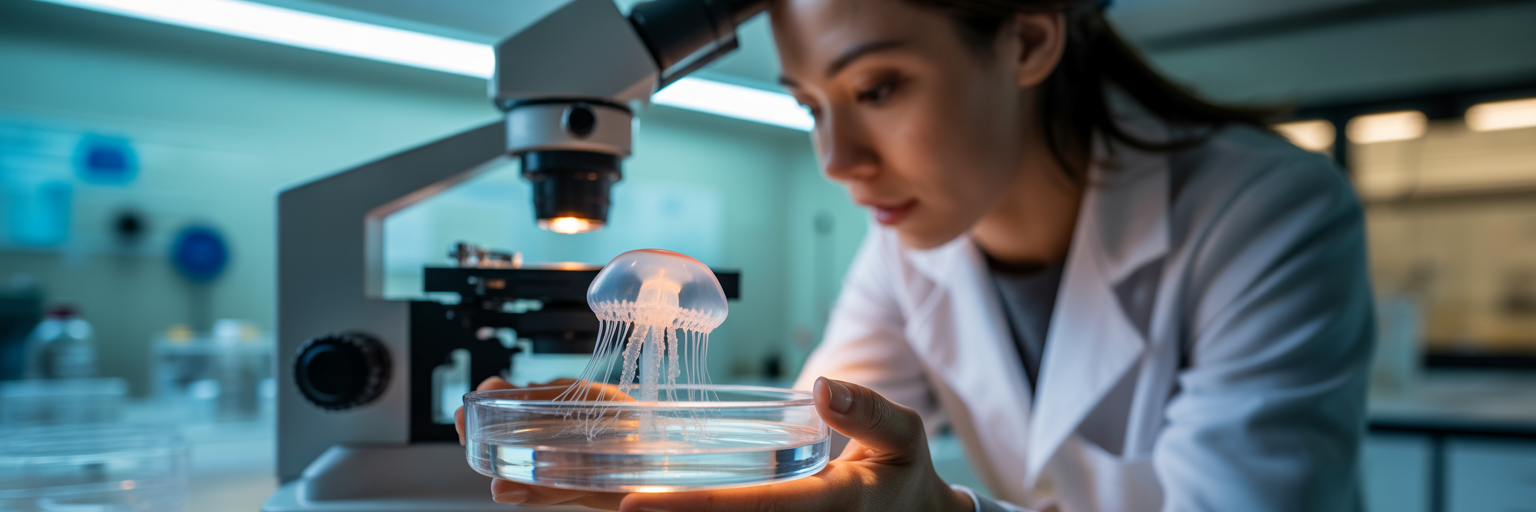
The journey of *Turritopsis dohrnii* from a scientific curiosity to a pop culture icon is a classic case of how science communication can go awry. Complex findings like “potential biological immortality through life cycle reversal” are often distilled by media headlines into catchy but inaccurate phrases like “the animal that never dies.” This simplification, while effective at grabbing attention, sacrifices scientific accuracy for sensationalism.
The public’s inherent fascination with immortality makes these headlines incredibly shareable. The idea that nature has already solved the problem of aging is a powerful and appealing narrative. However, this narrative creates unrealistic expectations and misrepresents the science. The jellyfish is not living forever in a single, continuous state. It is surviving by hitting a biological reset button, a process of complete bodily transformation that is far from the eternal youth humans dream of.
Most importantly, this reporting often fails to manage expectations about human application. The jellyfish’s ability is not a secret key to human immortality, and it is crucial to state this explicitly. The biological gulf between a simple cnidarian and a human is immense. *Turritopsis dohrnii* has a simple, two layered body plan with no complex organs. The idea of transdifferentiating the trillions of highly specialized cells in the human body, including our intricate brain and organ systems, is a biological fantasy. The jellyfish’s trick is a marvel of evolution, but it is one that is firmly rooted in its own unique and simple biology.
The Final Verdict on the Jellyfish’s Immortality
After examining the science behind the myth, we can deliver a clear verdict on the immortal jellyfish. The popular narrative of an unkillable creature dissolves under scrutiny, replaced by a more nuanced and scientifically accurate picture of a remarkable survivor.
Is the immortal jellyfish truly immortal?
No. It is “biologically immortal,” meaning it can escape death from old age (senescence) by reverting to its juvenile polyp stage. However, it is far from invincible and is frequently killed by predators, disease, and environmental hazards.
Can it die of old age?
No. By successfully completing its life cycle reversal, it bypasses the aging process entirely. Instead of its cells breaking down over time, it reassembles them into a new, young body.
Can it repeat the reversal indefinitely?
Theoretically, under perfect laboratory conditions with no predators or diseases, yes. In the wild, however, the statistical probability of a single jellyfish surviving long enough to do this repeatedly is almost zero.
What is most likely to kill one in nature?
Predation. As a tiny, defenseless, and soft bodied organism in an ocean full of hungry animals, its most common fate is to become a meal for something else long before it ever feels the need to reverse its age.
Frequently Asked Questions
What is the immortal jellyfish?
The immortal jellyfish, or *Turritopsis dohrnii*, is a small species of jellyfish known for its unique ability to revert to its juvenile polyp stage when faced with stress, injury, or starvation, effectively resetting its life cycle.
Does the immortal jellyfish really live forever?
No. While it can escape death from old age, it is not invincible. It is regularly killed by predators, diseases, and harsh environmental conditions, just like any other small marine creature.
How does the immortal jellyfish reverse its age?
When triggered by stress, the adult medusa contracts into a cyst. Inside this cyst, its cells reorganize, and it then grows into a new, genetically identical polyp colony, starting its life over from a juvenile stage.
What is transdifferentiation?
Transdifferentiation is a rare cellular process where a mature, specialized cell transforms directly into another type of specialized cell. This mechanism allows the jellyfish to completely rebuild its body from its existing parts.
Can humans become immortal from this jellyfish?
No. The biological complexity of humans, with our trillions of specialized cells and intricate organ systems, makes the jellyfish’s cellular reprogramming process non transferable. Its simple body plan is what makes this feat possible.