Defining the truly indestructible animal
For centuries, we considered vast regions of our planet to be sterile voids where life could not possibly exist. Yet scientists have found organisms thriving in the crushing pressure of deep-sea vents and the boiling, acidic water of volcanic springs. These discoveries prove that life is far more tenacious than we ever imagined. This reality sets the stage for a fascinating question: what is the upper limit of biological resilience? Is there a truly indestructible animal?
While true invulnerability remains the stuff of fiction, certain organisms known as extremophiles push the boundaries of survival to astonishing degrees. This article aims to scientifically evaluate which of these champions is the hardest animal to kill. We will move beyond popular lore and internet hyperbole, using a standardized, research-driven scoring system to rank these creatures based on verifiable evidence. Our goal is to determine which creature possesses the most comprehensive toolkit for survival against the universe’s deadliest threats.
To do this, we will assess candidates against a range of environmental stressors, including extreme temperatures, devastating radiation, the vacuum of space, and complete dehydration. These categories represent the fundamental physical challenges that life can face. By comparing them across a consistent framework, we can begin to understand what it truly means to be tough.
We have selected seven contenders for the title, each chosen for its well-documented and scientifically studied survival abilities. They are:
- Tardigrades: For their proven survival in the vacuum of space.
- Bdelloid Rotifers: For their unparalleled ability to repair shattered DNA.
- Immortal Jellyfish: For its unique capacity to reverse its life cycle.
- Hydra: For its seemingly limitless regenerative potential.
- Wood Frog: For its ability to survive being frozen solid.
- Scaly-Foot Gastropod: For its natural iron armor built to withstand immense pressure.
- Antarctic Midge: For its mastery of survival in Earth’s coldest continent.
Our Framework for Ranking Extreme Survivors
Comparing the survival skills of a microscopic invertebrate and a vertebrate frog requires a consistent and transparent scoring system. To fairly assess these diverse organisms, we will rate each animal on a 0 to 10 scale across ten distinct survival categories. This method allows us to quantify their resilience and identify which creature has the most versatile defensive toolkit.
The ten scoring categories are defined as follows:
- Heat Tolerance: Survival at high temperatures, measured by the maximum temperature an organism can endure.
- Cold Tolerance: Survival at freezing and sub-freezing temperatures, including the ability to withstand ice formation within the body.
- Radiation Tolerance: Resistance to DNA damage from ionizing radiation, such as gamma rays or heavy ions.
- Desiccation Tolerance: The ability to survive near total water loss from the body, often entering a state of suspended animation.
- Vacuum Tolerance: Survival in the vacuum of space without air pressure, a test of cellular integrity.
- Pressure Tolerance: Withstanding extreme hydrostatic pressure found in the deep sea or sudden changes in atmospheric pressure.
- Starvation Tolerance: The maximum duration of survival without any nutrient intake, often tied to dormancy or a slowed metabolism.
- Physical Injury/Regeneration: The ability to heal or regrow entire body parts from severe physical damage.
- Resistance to Biological Aging: Mechanisms that halt or reverse the process of senescence, effectively preventing death from old age.
- Duration of Dormancy: The length of time an organism can remain in a state of suspended metabolism, such as cryptobiosis or hibernation.
Our 0 to 10 scale is carefully calibrated for comparison. A score of 0 represents a vulnerability similar to that of a human, providing a relatable baseline. A score of 10 signifies the absolute known biological limit observed in any life form for that specific category. For example, the Wood Frog’s ability to survive being frozen solid sets the benchmark for cold tolerance. This approach ensures our scoring is grounded in established scientific benchmarks, allowing for a meaningful comparison between these extreme survival animals.
It is important to acknowledge the limitations of this system. Much of the data comes from controlled laboratory settings, which may not perfectly replicate the complex and overlapping challenges of natural environments. Furthermore, our scientific understanding of these organisms is constantly evolving. New discoveries could certainly shift these rankings in the future. This framework, however, provides a robust and transparent method for answering our central question based on current knowledge.
Candidate 1: The Tardigrade (Water Bear)
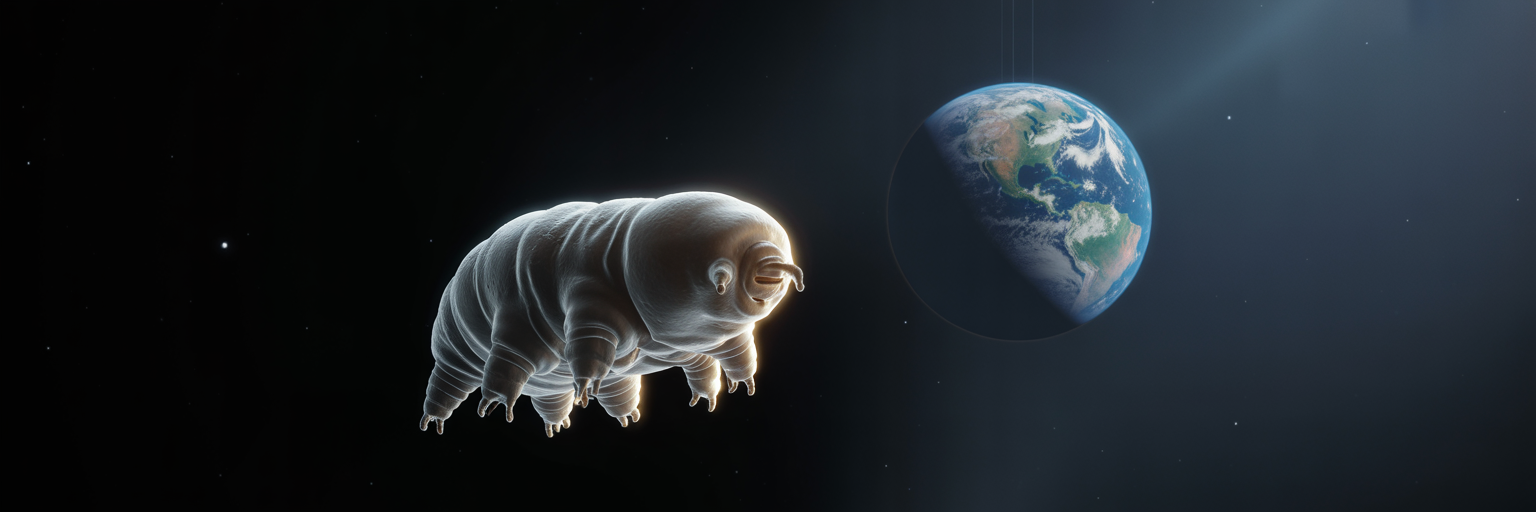
The tardigrade, often called the “water bear,” is a microscopic invertebrate that has earned a legendary reputation for its resilience. Its primary survival mechanism is an incredible state of suspended animation known as cryptobiosis. When faced with lethal environmental conditions, particularly dehydration, it enters a state of anhydrobiosis. The tardigrade retracts its legs, curls into a desiccated ball called a “tun,” and reduces its metabolism to less than 0.01% of normal levels.
In this state, the tardigrade has achieved feats that sound like science fiction. During the 2007 FOTON-M3 mission, tardigrades became the first animals to survive exposure to the vacuum and radiation of open space. Their toughness is rooted in unique proteins, such as Dsup (Damage suppressor), which forms a protective cloud around its DNA, shielding it from radiation and desiccation damage. This molecular armor is a key reason for its extraordinary abilities.
When evaluated against our criteria, the tardigrade’s strengths are clear. It earns top marks for its tolerance of vacuum, desiccation, and significant radiation doses. However, it is crucial to understand the tardigrade survival limits. In its active, hydrated state, the tardigrade is quite fragile. It can be easily crushed, eaten by predators, or killed by minor environmental shifts. Its indestructibility is conditional, a temporary superpower it can only access by shutting down its life processes. As research from eLife points out, while their DNA protection is robust, radiation tolerance can vary significantly between species and is not always superior to other extremophiles.
Candidate 2: The Bdelloid Rotifer
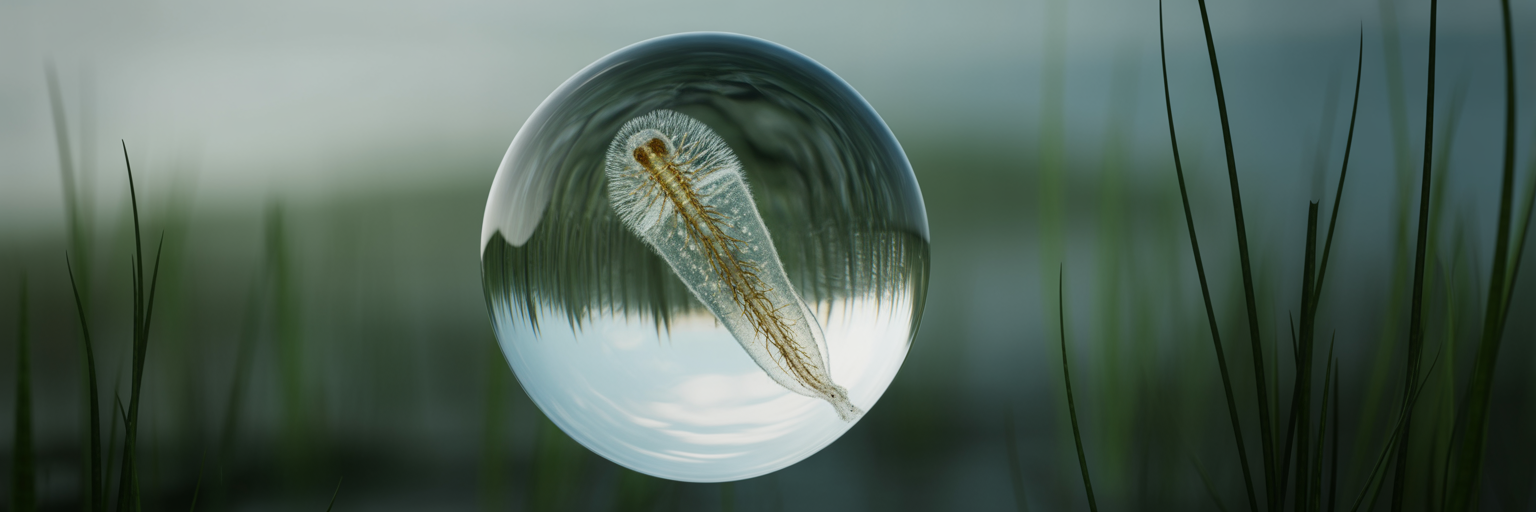
The bdelloid rotifer is another microscopic powerhouse, less famous than the tardigrade but a formidable contender for the title of hardest animal to kill. These creatures are evolutionary marvels, having persisted for over 60 million years without any form of sexual reproduction. They are an ancient lineage of all-female survivors.
Their most remarkable trait is a world-class resistance to radiation. A bdelloid rotifer can withstand doses of ionizing radiation exceeding 1,000 Gray, an amount that would shred the DNA of most other animals into useless fragments. Its secret lies in an exceptionally efficient DNA repair mechanism. After its genome is shattered into hundreds of pieces by radiation or desiccation, it can meticulously stitch the strands back together with near perfect accuracy. As a National Geographic article explains, this repair ability is likely a byproduct of its adaptation to survive drying out, a process that also breaks DNA.
This desiccation survival strategy is linked to another rare ability: horizontal gene transfer. As it rehydrates, its cell membranes become temporarily permeable, allowing it to absorb and incorporate genetic material from other organisms it may have consumed, such as fungi and bacteria. This could provide it with new genetic tools for survival. Finally, its dormancy capabilities are legendary. Scientists recently revived bdelloid rotifers that had been frozen in Siberian permafrost for 24,000 years, demonstrating an elite level of cold tolerance and long-term dormancy that few organisms can match.
Candidate 3: The Immortal Jellyfish
The tiny hydrozoan *Turritopsis dohrnii* is known by a much grander name: the immortal jellyfish. It is essential to immediately clarify what this “immortality” means. The jellyfish is not invulnerable; it can be easily eaten by predators or killed by disease. Its unique ability is a remarkable escape from death by old age, a key component of immortal jellyfish facts.
This escape is achieved through a biological process called transdifferentiation. When the adult jellyfish, known as the medusa, faces extreme stress, physical damage, or the end of its natural lifespan, it can initiate a stunning transformation. It settles on the seafloor, and its cells revert to their earliest form, creating a new polyp colony. This is the biological equivalent of a butterfly turning back into a caterpillar to start its life over. During this process, specialized cells like muscle or nerve cells transform into other types of cells, effectively resetting the jellyfish’s biological clock.
Looking at our scoring framework, the immortal jellyfish’s strength is almost entirely concentrated in one category: Resistance to Biological Aging, where it earns a perfect score. However, this specialization comes at a great cost. It is a soft-bodied, defenseless creature with no special tolerance for extreme heat, cold, radiation, pressure, or desiccation. Its immortality is a potential, a biological escape hatch that it may never get the chance to use in the dangerous environment of the ocean. In the wild, most are likely consumed long before they can grow old.
Candidate 4: The Hydra
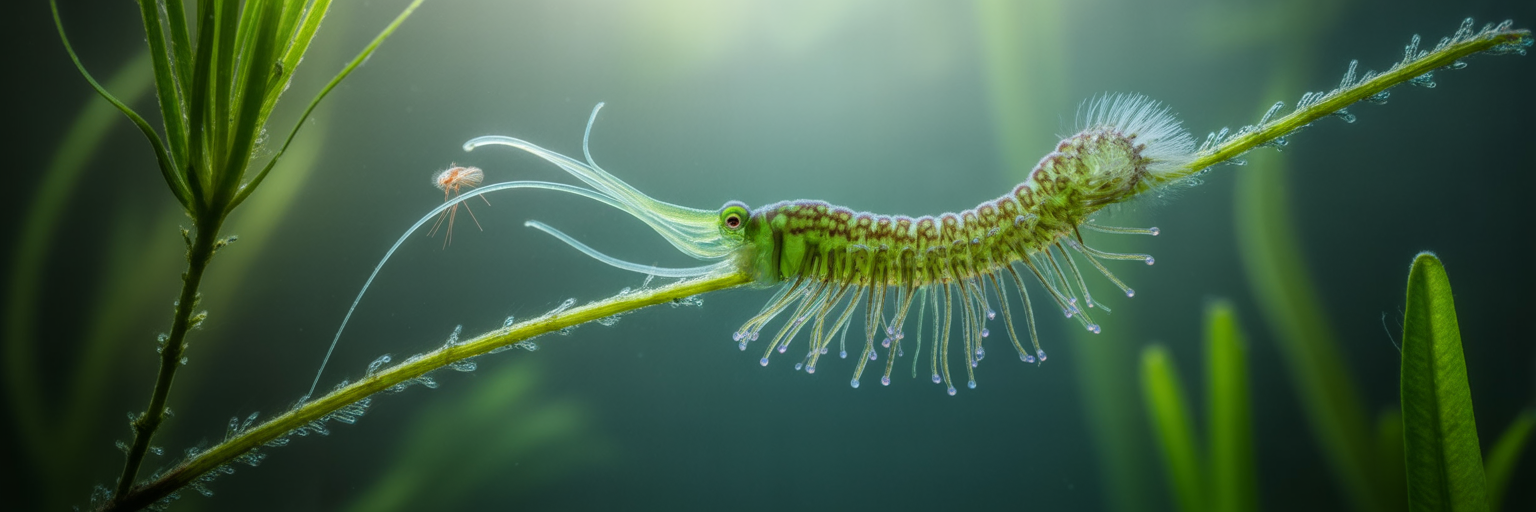
The Hydra is a small, simple freshwater polyp that has long captivated scientists with two extraordinary features: its incredible regeneration and an apparent lack of biological aging. Like the immortal jellyfish, it presents a form of biological immortality, but its physical resilience is far more active.
The secret to its amazing animal regeneration abilities lies in its body composition. A Hydra is made up largely of stem cells, which are undifferentiated cells that can become any cell type the organism needs. This cellular toolkit allows a Hydra to regrow its entire body from just a small fragment. In laboratory experiments, scientists have cut Hydras into multiple pieces, only to watch each piece regenerate into a complete, genetically identical individual. This makes it exceptionally resistant to physical injury.
Beyond regeneration, the Hydra shows no signs of aging. Due to its high proportion of stem cells and the constant replacement of old cells with new ones, it does not deteriorate over time in controlled settings. This gives it a perfect score in resistance to aging. However, its limitations are significant. The Hydra is a soft-bodied organism, vulnerable to predators and environmental toxins. It lacks the specialized defenses needed to survive the extreme radiation, vacuum, or desiccation that microscopic extremophiles can endure. Its toughness is restorative, not defensive. While impressive, other simple organisms have similar skills, such as the flatworms detailed in an article on the secrets of planarian regeneration.
Candidate 5: The Wood Frog
Our first vertebrate candidate, the Wood Frog (*Rana sylvatica*), is a master of survival in one of the planet’s most challenging climates. Its habitat extends north into the Arctic Circle, an environment that has forced it to evolve one of the most incredible adaptations in the animal kingdom: the ability to freeze solid and survive.
When winter temperatures plummet, the Wood Frog undergoes a process that would be fatal to almost any other vertebrate. Its heart stops beating, its breathing ceases, and up to 70% of the water in its body turns to solid ice. For weeks or even months, it is in a state of suspended animation that is functionally indistinguishable from death. When spring arrives, it thaws, its heart restarts, and it hops away completely unharmed.
The science behind this feat is a marvel of biochemistry. As ice crystals begin to form on its skin, a signal is sent to the frog’s liver, which begins converting massive stores of glycogen into glucose. This sugar floods the frog’s cells, acting as a natural cryoprotectant. The high concentration of glucose prevents the formation of large, sharp ice crystals inside the cells, which would otherwise shred them apart. The water outside the cells freezes, but the cells themselves are protected. This gives the Wood Frog a near-perfect score in Cold Tolerance. However, it is a true specialist. It has no known abilities to withstand high heat, radiation, vacuum, or extreme pressure, making it a champion of a single, extreme challenge.
Candidate 6: The Scaly-Foot Gastropod
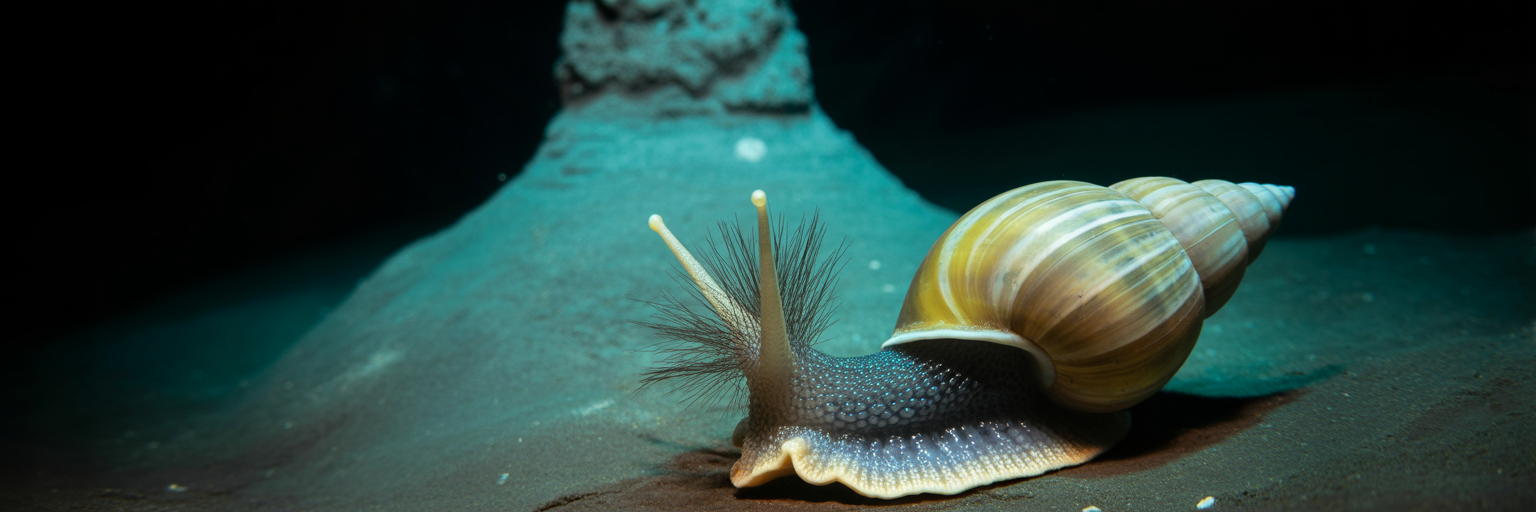
The Scaly-Foot Gastropod (*Chrysomallon squamiferum*) derives its indestructibility not from a biological process, but from a suit of natural armor. This deep-sea snail lives next to hydrothermal vents in the Indian Ocean, one of the most extreme environments on Earth. The pressure here is over 290 times that at sea level, and the water is hot, acidic, and saturated with toxic heavy metals.
To survive, it has evolved a unique, three-layered shell that is the subject of study by materials scientists and military researchers. The outer layer is made of iron sulfides, creating a hard, granular surface. Beneath that is a thick, shock-absorbent organic middle layer that dissipates the energy from crushing attacks, such as from the claws of predatory crabs. The inner layer is a standard calcium carbonate structure typical of snail shells. This composite design makes its shell incredibly resistant to both penetration and fracture.
This creature’s resilience is almost entirely defensive. It scores exceptionally high in Pressure Tolerance and resistance to Physical Injury. It thrives in an environment that would instantly kill most other life forms. However, its toughness is specialized for its unique habitat. It has no known dormancy state, lacks advanced regenerative abilities beyond basic healing, and has no tolerance for threats like radiation or vacuum. While it is a living fortress, it is a fortress built for a very specific war. Even heavily armored creatures face other dangers, such as parasites that can manipulate host behavior, a fascinating survival dynamic explored in an article on what drives a snail to sacrifice itself for a parasite?.
Candidate 7: The Antarctic Midge
The Antarctic Midge (*Belgica antarctica*) holds several unique distinctions. It is the only insect native to Antarctica and, at just a few millimeters long, it is also the continent’s largest purely terrestrial animal. Its entire life is a masterclass in surviving the extreme cold and dryness of the world’s harshest continent.
Its survival strategies are most prominent during its larval stage, where it spends the majority of its two-year life cycle. The larva has a suite of adaptations to withstand freezing, dehydration, and large swings in the salinity of the water it inhabits. One of its key tools is desiccation tolerance. The larva can lose over 70% of the water in its body, a controlled dehydration that prevents lethal ice crystals from forming inside its cells during the brutal Antarctic winter. This is a different approach to the glucose-based strategy of the Wood Frog but achieves a similar result.
When evaluating its overall resilience, the Antarctic Midge is a regional champion. Its cold and desiccation tolerance are world-class and perfectly suited to its environment. However, its primary strategy is often avoidance, as it lives under rocks or moss to shelter from the absolute worst of the wind and cold. It is a master of its specific, challenging habitat, but it lacks the broad-spectrum defenses against threats like extreme radiation, vacuum, or pressure that the microscopic extremophiles possess. It is an expert survivor, but only on its home turf.
The Final Showdown: Scoring the Survivors
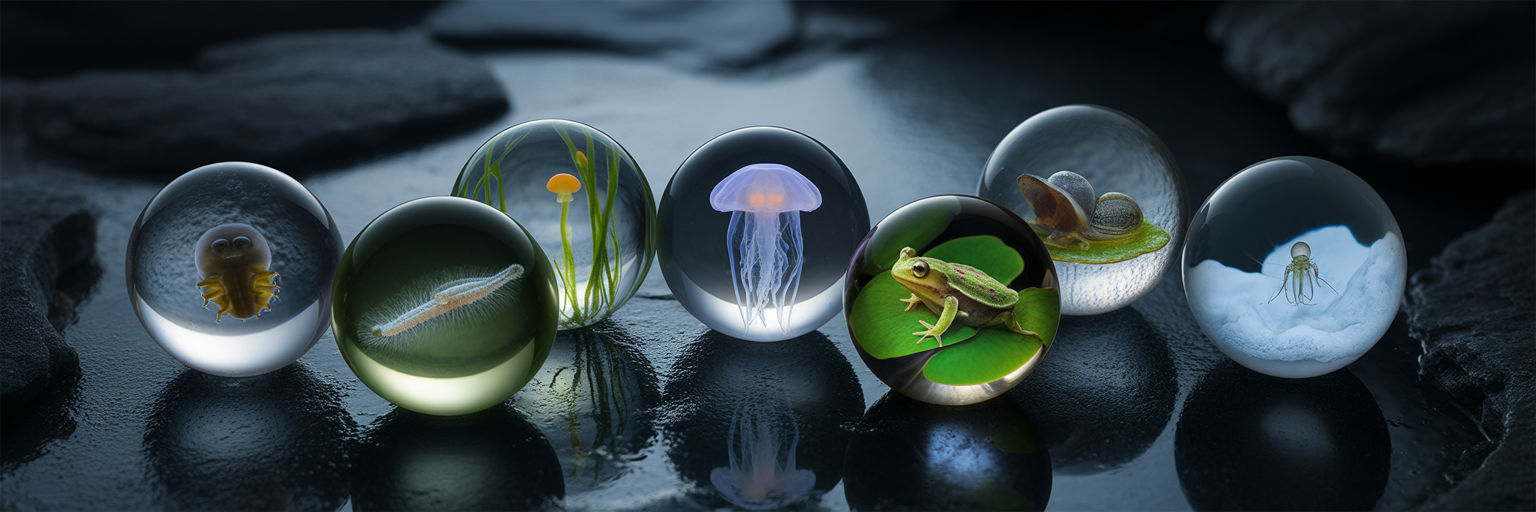
After analyzing each candidate’s unique survival toolkit, we can now compare them directly using our ten-category scoring system. The final results reveal a clear hierarchy of resilience, highlighting the difference between specialized survivors and true all-rounders.
| Category | Tardigrade | Bdelloid Rotifer | Immortal Jellyfish | Hydra | Wood Frog | Scaly-Foot Gastropod | Antarctic Midge |
|---|---|---|---|---|---|---|---|
| Heat Tolerance | 8 | 7 | 1 | 2 | 1 | 8 | 4 |
| Cold Tolerance | 9 | 9 | 1 | 2 | 10 | 4 | 9 |
| Radiation Tolerance | 8 | 10 | 0 | 1 | 0 | 1 | 3 |
| Desiccation Tolerance | 10 | 10 | 0 | 0 | 2 | 0 | 8 |
| Vacuum Tolerance | 10 | 7 | 0 | 0 | 0 | 0 | 1 |
| Pressure Tolerance | 8 | 5 | 1 | 1 | 1 | 10 | 1 |
| Starvation Tolerance | 9 | 8 | 2 | 3 | 4 | 3 | 5 |
| Physical Injury/Regeneration | 4 | 4 | 5 | 10 | 2 | 8 | 2 |
| Resistance to Aging | 3 | 3 | 10 | 10 | 1 | 2 | 1 |
| Duration of Dormancy | 9 | 10 | 0 | 1 | 5 | 0 | 5 |
| TOTAL SCORE | 78 | 80 | 20 | 30 | 26 | 36 | 39 |
The final tally reveals the Bdelloid Rotifer as our overall winner. While the Tardigrade is a close second with its unmatched vacuum tolerance, the rotifer’s superior radiation resistance and phenomenal DNA repair capabilities give it the edge. These two microscopic creatures stand in a class of their own. We can categorize our survivors into distinct tiers:
- Tier 1: The All-Rounders (Bdelloid Rotifer, Tardigrade). These organisms possess a broad and powerful toolkit for surviving multiple, unrelated extreme threats.
- Tier 2: The Specialists (Wood Frog, Scaly-Foot Gastropod, Immortal Jellyfish, Hydra). These creatures have a world-class ability in one or two categories but are otherwise vulnerable.
- Tier 3: The Regional Champion (Antarctic Midge). This is an expert at surviving a specific, harsh environment but lacks the versatility of the top-tier contenders.
The results reinforce our main takeaway: the title of “hardest animal to kill” depends entirely on the threat. No single organism is invincible, but the bdelloid rotifer possesses a more versatile and robust defensive toolkit than any other known animal.
The Biological Cost of Extreme Resilience
These incredible survival abilities are not without their evolutionary trade-offs. Maintaining complex DNA repair systems, producing massive quantities of cryoprotectants, or building an iron shell are metabolically expensive processes. They require significant energy that could otherwise be used for growth and reproduction. Resilience comes at a cost.
For organisms like the tardigrade and the bdelloid rotifer, their extreme toughness is only active during dormancy. In this state of suspended animation, they are not living in any meaningful sense. They are not eating, moving, or reproducing. Their survival comes at the direct cost of participating in life, a pause button that can last for decades or even millennia. This highlights that survival and living are two different things.
Still, humanity has much to learn from these extreme survival animals. Their abilities inspire potential applications across numerous fields. In medicine, understanding the Wood Frog could improve cryopreservation techniques for human organs. In astrobiology, the tardigrade informs our search for life on other planets by expanding our definition of what is biologically possible. In materials science, the scaly-foot snail’s shell provides a blueprint for next-generation armor. As we continue to explore, we may find new champions of survival. Life has developed countless strategies to cope with scarcity and danger, such as the animal that survives by shrinking its own organs, proving that nature’s ingenuity is vast.
Frequently Asked Questions About Extreme Survival
Why wasn’t the cockroach on this list?
While cockroaches are famously resilient compared to humans, their tolerances are orders of magnitude lower than the extremophiles on this list. They can survive for a week without a head and withstand higher radiation doses than a person, but they cannot survive being frozen solid, the vacuum of space, or the extreme radiation levels that a bdelloid rotifer can easily endure.
Can these animals’ abilities be transferred to humans?
The biological complexity makes this a challenge belonging to science fiction. We can learn from their unique genes and proteins to develop new technologies, such as creating drought-resistant crops or improving vaccine stability using tardigrade proteins. However, directly engineering a human to survive in a vacuum is not feasible due to our large-scale, complex biology, which is fundamentally different from that of a microscopic invertebrate.
Which animal lives the longest?
This question helps differentiate between indestructibility and longevity. The Hydra and the Immortal Jellyfish are considered “biologically immortal” because they can evade death from old age, but they are physically fragile and easily killed. The longest-living vertebrate is the Greenland shark, which can live for over 400 years, but it is not exceptionally resilient to the extreme threats discussed in this article. Being hard to kill and living a long time are two very different survival strategies.