
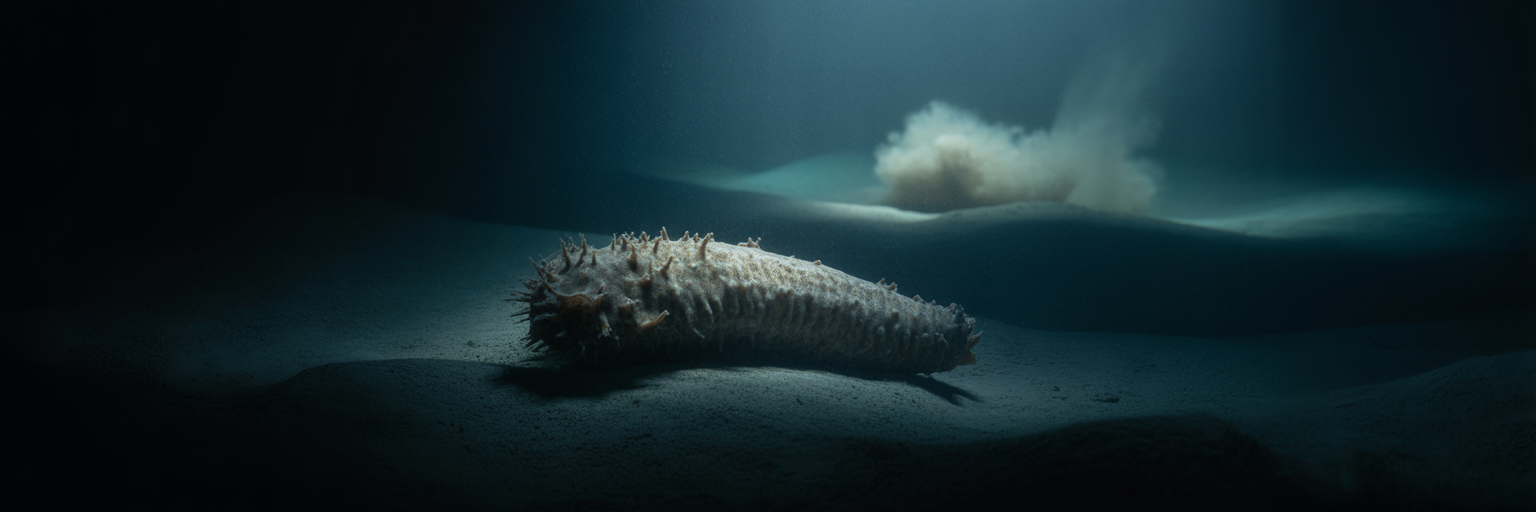
Nature’s Most Biologically Rude Survival Strategy
We’ve all had those days. The kind of day where you say something so awkward in a meeting that you wish the floor would swallow you whole. Or you trip up the stairs in front of everyone and your immediate instinct is to simply cease existing. For humans, this is a metaphor. For the sea cucumber, it’s a Tuesday.
What if your ultimate escape button didn’t just involve hiding, but involved a violent, purposeful, and frankly ill-mannered act of turning yourself inside out? Meet the sea cucumber, the ocean’s laziest sausage and the undisputed champion of biologically inappropriate defense mechanisms. At first glance, it’s not much to look at. It’s an over-hydrated sea pickle, a squishy tube that seems to have given up on the very concept of ambition. Yet, this unassuming blob harbors one of nature’s most shocking secrets.
When threatened, this creature doesn’t fight or flee in the traditional sense. Instead, it commits an act of spectacular self-mutilation. It violently expels its own internal organs—its respiratory system, its digestive tract, its gonads—all over its attacker. This is not a figure of speech. It literally throws its guts at its problems until they go away. It’s the biological equivalent of flipping a table and storming out of the room, leaving everyone else to deal with the mess.
This bizarre spectacle places it high on the list of the weirdest ocean animals, challenging everything we think we know about survival. How does it do this without dying? Why would any creature evolve such a messy and seemingly counterproductive strategy? And what in the world happens afterward? We’re about to explore the how, the why, and the absolute what-the-heck of one of nature’s most extreme survival tricks.
An Introduction to the Ocean’s Strangest Inhabitant
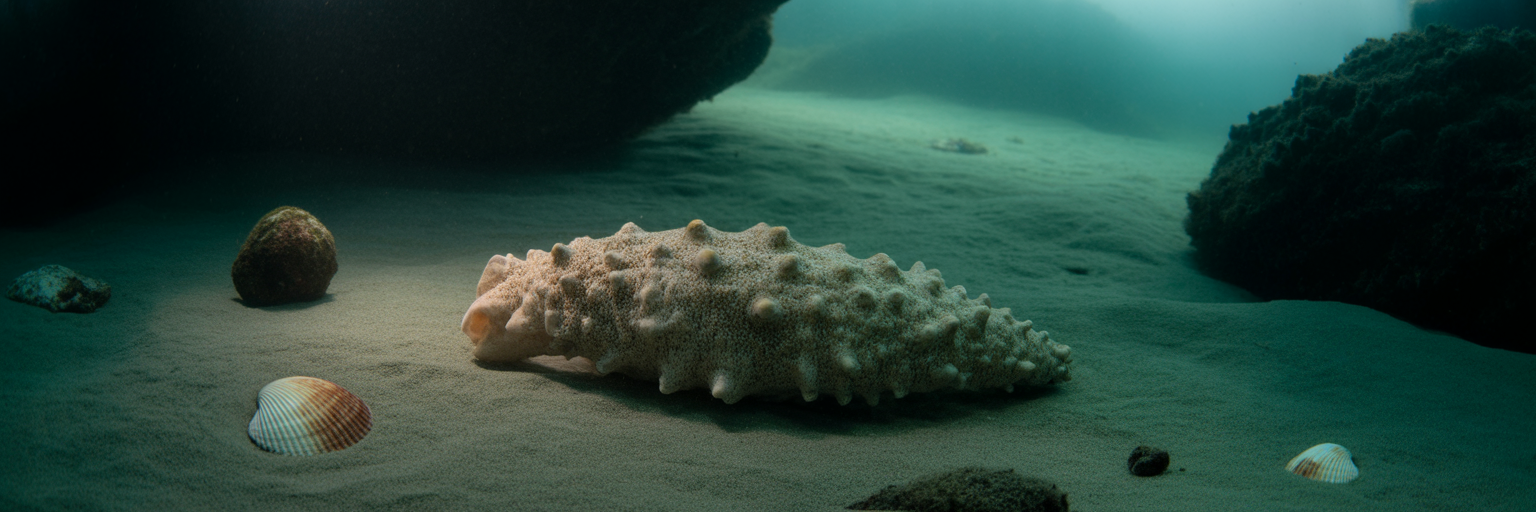
Before we get to the gory details of its party trick, it’s important to understand the sea cucumber in its normal, non-eviscerated state. Its day-to-day existence is far more mundane than its defense mechanism suggests, which only makes the sudden violence more jarring.
More Than Just a Sea Slug
Despite looking like a slug that let itself go, the sea cucumber (class Holothuroidea) is actually an echinoderm. This means its closest relatives are the far more glamorous starfish and sea urchins. It’s like finding out the royal family has a cousin who lives in a trailer park and refuses to wear shoes. With leathery skin and a distinct lack of a face, it’s a simple creature built for a simple life.
The Janitor of the Seafloor
Found on ocean floors across the globe, from shallow waters to the deep sea, including the U.S. Pacific Northwest, the sea cucumber plays a vital role as a detritivore. It’s the janitor of the seafloor, slowly inching its way across the sand and scooping up debris with its feeding tentacles. It consumes sand, digests the organic matter, and excretes clean, filtered sand. It is, essentially, a living water filter that happens to be shaped like a cucumber.
Anatomy of the Absurd
The sea cucumber’s internal structure is as strange as its external appearance. It has a simple digestive tract, feeding tentacles around its mouth, and a body cavity filled with fluid. But the weirdness dial gets turned up when you learn how it breathes. It doesn’t have gills or lungs. Instead, it has a pair of “respiratory trees” located in its rear end, and it breathes by pumping water in and out of its anus. Nature is full of odd solutions, from this method of respiration to the fish that can breathe through its gut. This bizarre biological quirk is a perfect prelude to the main event, as the same orifice used for breathing and excretion is also the exit ramp for its organs during evisceration. Its body is also composed of a unique connective tissue, a hidden feature that hints at the incredible potential locked within its squishy form.
The Guts of the Matter: A Step-by-Step Guide to Evisceration
So, how does a creature go from peacefully munching on sand to projectile-vomiting its own insides? The sea cucumber defense mechanism is a rapid, violent, and surprisingly coordinated process. It’s a biological panic button that unfolds in a few shocking steps.
The Trigger: A Predator’s Worst Mistake
The process begins when the sea cucumber is seriously threatened. This isn’t for minor annoyances. A curious crab, a hungry sea turtle, or the mechanical pressure from a researcher’s prodding finger can initiate the response. A 2015 study published in Nature’s Scientific Reports observed that the sea cucumber *Holothuria leucospilota* can complete the entire process within seconds of being stimulated. The animal’s body registers a life-or-death threat, and it decides that its internal organs are now optional.
The Expulsion: Weaponized Defecation
Once triggered, the sea cucumber executes a stunning sequence of events that makes it the ultimate animal that ejects its organs:
- The Contraction: The powerful muscles in its body wall contract with immense force, dramatically increasing the pressure inside its body cavity.
- The Rupture: This intense pressure causes an internal wall near its cloaca to rupture, creating an opening. There’s no turning back now.
- The Expulsion: The internal organs, including the respiratory trees, digestive tract, and gonads, are forcefully ejected through its anus. It’s the most aggressive form of un-friending in the animal kingdom.
The Aftermath: A Sticky, Confusing Mess
For some species, the horror doesn’t end there. They also expel specialized structures called Cuvierian tubules. These are long, sticky, spaghetti-like threads that shoot out and ensnare the predator in a gooey net. These threads can be incredibly strong and sometimes contain a toxin called holothurin. Nature has many ways of creating traps, from these sticky threads to intricate structures like the insect that can turn a leaf into a nursery-fortress-and-food-supply. The attacker is left confused, immobilized, and faced with a meal that is not only unappetizing but potentially dangerous. Meanwhile, the now-empty sea cucumber, having literally given its guts away, slowly crawls off to start the long process of recovery.
The Biological Cheat Code: Liquefying Your Own Body
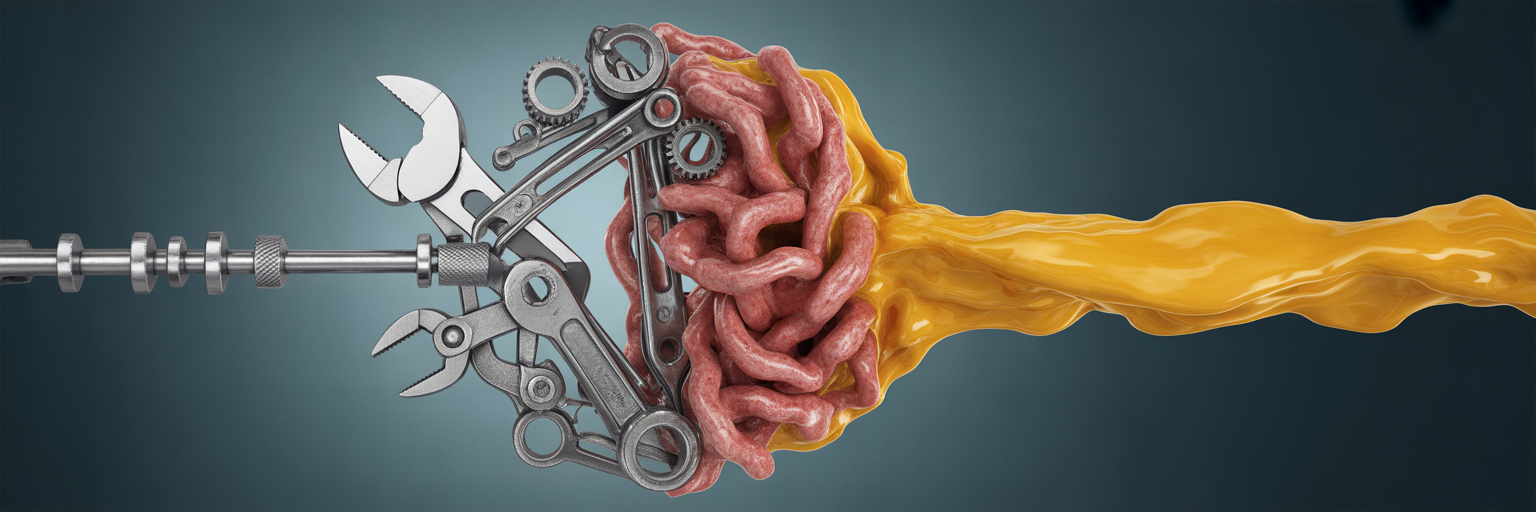
Expelling your organs through a small opening should, by all laws of biology, be a fatal and messy affair. The force required would be enough to tear the animal apart. So, how do sea cucumbers survive an act that is essentially controlled, high-pressure disembowelment? The answer lies in a biological superpower that sounds like something out of a sci-fi movie: they can liquefy and re-solidify parts of their own body on command.
Introducing ‘Catch Collagen’
The sea cucumber’s secret weapon is a unique type of connective tissue known as mutable connective tissue, or “catch collagen.” Unlike the static collagen in our own bodies that holds our skin and joints together, the sea cucumber’s collagen is dynamic. It can rapidly and reversibly change its stiffness, controlled by its nervous system.
From Solid to Liquid on Command
Think of a building constructed with smart concrete. Under normal circumstances, it’s solid and rigid. But with the flip of a switch, the concrete can turn into a thick jelly, allowing objects to pass through it, before hardening back into a solid foundation. That’s essentially what the sea cucumber does. When it needs to eviscerate, it sends a chemical signal to the catch collagen around the expulsion site, causing it to soften and become almost liquid. This allows the bulky internal organs to pass through without causing catastrophic damage. Once the deed is done, another signal is sent, and the tissue re-stiffens.
A Multi-Purpose Survival Tool
This remarkable ability isn’t just for its dramatic defense. Sea cucumbers use catch collagen for everyday survival. If a predator is trying to pull it out from under a rock, it can stiffen its body, making it nearly impossible to dislodge. Conversely, if it needs to hide, it can liquefy its body to pour itself into the tiniest of crevices, a feat of physical transformation similar to the animal that turns transparent just long enough to survive. This biological cheat code is the key to understanding how it can perform such a grotesque act and live to tell the tale.
Rebuilding from Scratch: The Art of Extreme Regeneration
Surviving the act of evisceration is one thing. Living as an empty, organ-less sack on the ocean floor is another. The final piece of this incredible survival puzzle is the sea cucumber’s mastery of extreme animal regeneration. It doesn’t just heal; it completely rebuilds its lost internal systems from scratch.
The Empty Husk
After evisceration, the sea cucumber is little more than a living tube of muscle and skin. It cannot eat, it cannot breathe properly, and it is incredibly vulnerable. Yet, it is very much alive, and the rebuilding process begins almost immediately. This isn’t a slow process of scarring and healing; it’s a programmed, rapid reconstruction of complex organs.
The Power of Stem Cells
The magic behind this feat lies in a high concentration of pluripotent stem cells scattered throughout its body. These are the master cells of biology, capable of developing into any type of tissue the animal needs. When the organs are gone, these cells are activated and begin to differentiate, forming the foundations of a new digestive tract, new respiratory trees, and new gonads. It’s like having a team of microscopic construction workers on standby, ready to rebuild an entire factory from the ground up.
A Race Against Time
The regeneration is astonishingly fast, as the animal is in a race against starvation and infection. While timelines vary by species and environmental conditions, the process follows a general pattern.
| Organ System | Time to Initial Formation | Time to Full Functionality |
|---|---|---|
| Digestive Tract | 7-10 days | 3-4 weeks |
| Respiratory Trees | 10-14 days | 4-5 weeks |
| Gonads | 2-3 weeks | Several months |
| Cuvierian Tubules | 3-4 weeks | 5-6 weeks |
Note: This table provides an estimated timeline based on observations of several sea cucumber species. The exact duration can vary depending on the species, water temperature, and the animal’s overall health.
This ability to regenerate is not just healing; it’s a strategic component of its defense. The sea cucumber treats its organs as disposable because it knows it can always make more.
Why Evolve to Be So Disgustingly Brilliant?
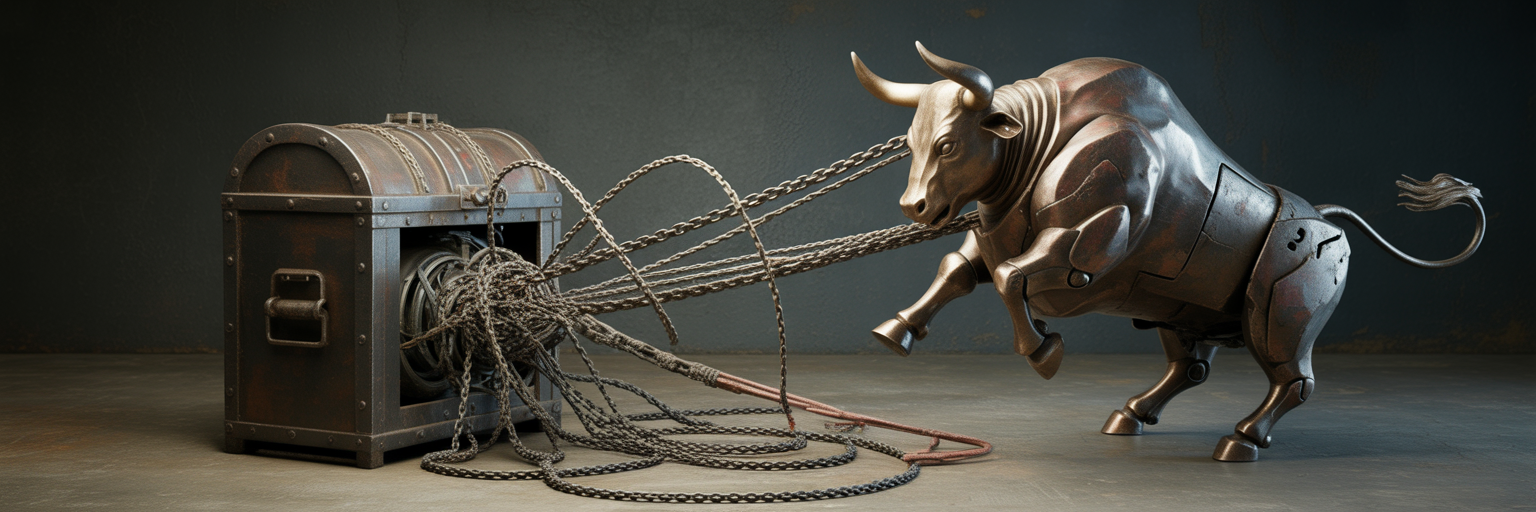
At this point, one major question remains: why? Why develop such a costly, bizarre, and frankly disgusting defense mechanism? The evolution of the creature that turns inside out is a perfect example of how extreme environmental pressures can lead to equally extreme solutions. The benefits, it turns out, outweigh the sheer weirdness.
- The Sacrificial Decoy: The primary advantage is distraction. A predator expecting a fight is suddenly confronted with a sticky, writhing pile of internal organs. While it’s busy trying to figure out what just happened, the sea cucumber makes its slow getaway. The energy required to regrow a full set of organs is immense, but it’s a far better price to pay than being eaten. Misdirection is a common tactic in nature, though few animals take it to this extreme. Others use visual tricks, as seen in nature’s creepiest illusion: how fake eyes scare predators.
- The Sticky Deterrent: The Cuvierian tubules are more than just a distraction; they are an active defense. They physically entangle crabs, lobsters, and fish, immobilizing them. Predators that survive an encounter with this gooey mess are likely to remember the experience and avoid sea cucumbers in the future. It’s a powerful lesson in leaving the weird sea sausage alone.
- A Last Resort: It’s crucial to understand that evisceration is not a casual affair. It’s a desperate, last-ditch maneuver. The act is energetically expensive and leaves the animal defenseless and unable to feed for weeks. The fact that such a costly strategy evolved at all speaks volumes about the intense predatory pressures on the ocean floor. It’s a brilliant solution born of absolute desperation.
More Than Just a Pile of Regenerating Guts
It’s easy to define the sea cucumber by its single most grotesque talent, but this creature is far more than a one-trick pony. Its role in the marine ecosystem is profoundly important. As it inches across the seafloor, it acts as an ocean vacuum cleaner, recycling nutrients and oxygenating the sediment. This process, known as bioturbation, is crucial for the health of coral reefs and deep-sea environments. Without these humble janitors, many marine ecosystems would suffer.
Humans have also had a long and complex relationship with this animal. In many cultures, particularly in Asia, sea cucumbers are a prized delicacy known as bêche-de-mer. They are also used in traditional medicine for their supposed anti-inflammatory properties. The iridescent, pearly substances found in some marine life have long captivated us. This fascination with natural luster is seen in many areas, from traditional remedies to modern design, where materials like mother of pearl are considered the ultimate compliment-magnet in luxury accessories. Unfortunately, this demand has led to widespread overfishing, threatening sea cucumber populations in many parts of the world, including U.S. waters.
The sea cucumber is a testament to the bizarre and counterintuitive paths evolution can take. It’s a creature that survives by surrendering, that defends itself by falling apart, and that thrives by being too weird to eat. It may be the most ill-mannered and resilient creature on the seafloor, and it has certainly earned our bewildered respect.