
An Evolutionary Enigma in Frigid Waters
In the animal kingdom, red blood is a near-universal symbol of life, essential for transporting oxygen. Yet, deep beneath the Antarctic ice, a creature exists that defies this fundamental rule. The Antarctic icefish, a member of the Channichthyidae family, thrives with almost transparent blood. This biological anomaly makes it a true evolutionary outlier, a fish that functions without hemoglobin, the very protein that gives blood its color and oxygen-carrying power.
This strange characteristic immediately raises profound questions. How did this extreme environment fish develop a trait that seems so disadvantageous? Its survival in one of the planet’s most hostile settings, the perpetually freezing Southern Ocean, is a puzzle. The story of the Antarctic icefish is not just about a biological curiosity. It is a compelling narrative of life’s incredible adaptability, revealing how evolution can follow unexpected paths when pushed to its limits.
The stage for this evolutionary drama was set millions of years ago in the icy, oxygen-saturated waters surrounding Antarctica. The unique environmental pressures of this habitat created a scenario where a seemingly catastrophic genetic loss became a viable, if bizarre, survival strategy. Understanding this fish means exploring the very boundaries of what is possible for vertebrate life.
Meet the Fish with Transparent Blood
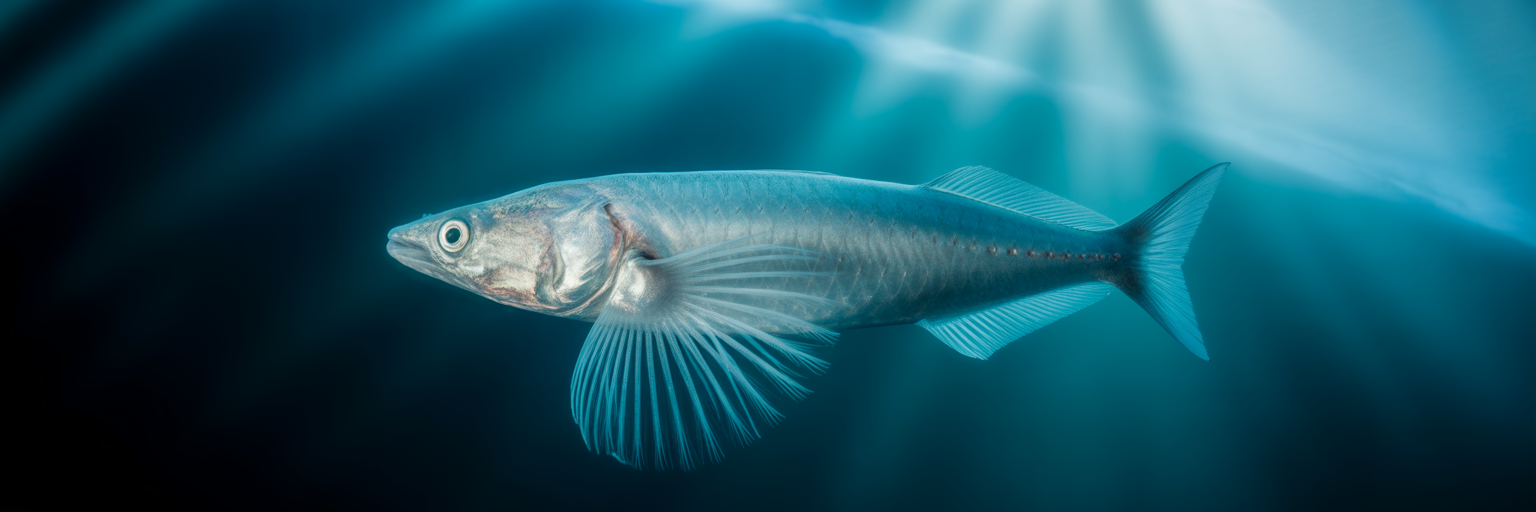
The Antarctic icefish, belonging to the family Channichthyidae, is as ghostly in appearance as its biology suggests. With a pale, almost translucent body and an elongated, eel-like shape, it blends into the dim light of its sub-zero habitat. But its most remarkable feature is internal. When scientists first discovered these fish, they were astonished to find they possess what is often called transparent blood.
This description is not an exaggeration. The blood is not invisible like water, but rather a clear, yellowish plasma completely devoid of red blood cells. This is a stark contrast to nearly all other vertebrates, from humans to hummingbirds, whose blood is packed with these cells. The red color of our blood comes from hemoglobin, a complex protein within red blood cells that is exceptionally good at binding to oxygen in the lungs or gills and releasing it to tissues throughout the body. Hemoglobin is so efficient that it is considered indispensable for the high-energy demands of complex animal life.
The absence of this critical protein creates a significant challenge. The blood of an Antarctic icefish carries less than 10% of the oxygen that the blood of its red-blooded relatives can transport. This presents the central paradox of its existence: how does this creature meet its metabolic needs with such an inefficient oxygen delivery system? The answer lies not in a single adaptation, but in a cascade of radical changes to its anatomy, genetics, and physiology.
An Evolutionary Accident Forged in Ice
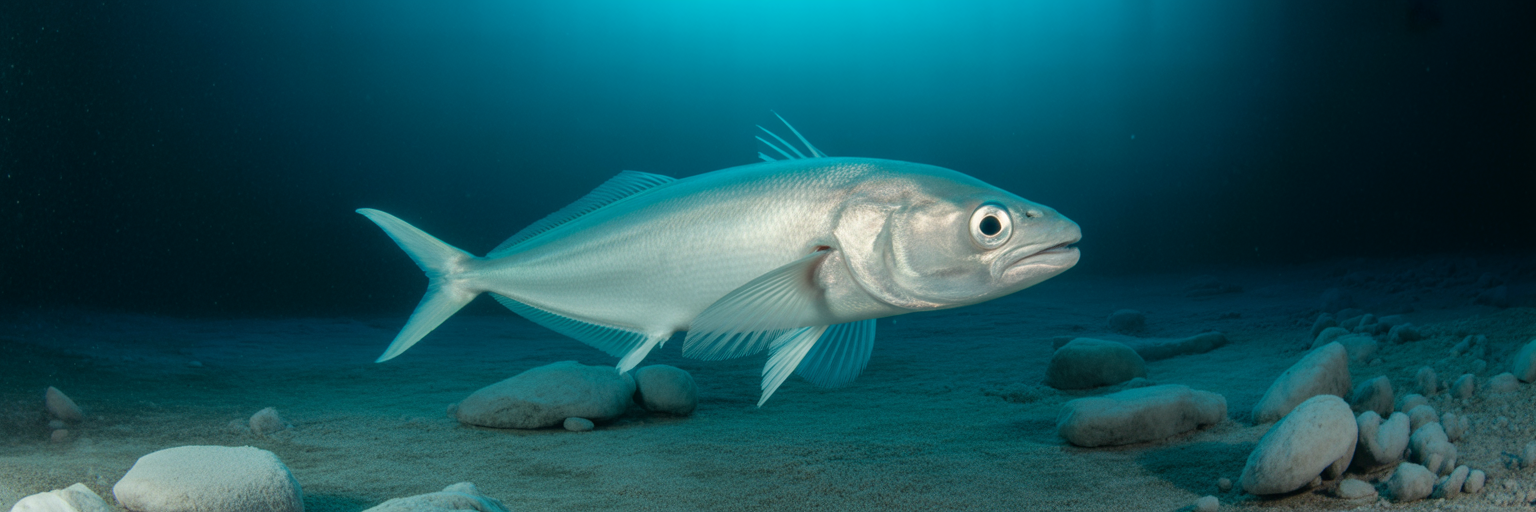
The story of the icefish’s unique blood begins with a dramatic climate shift millions of years ago. As the Southern Ocean cooled to its current sub-freezing temperatures, the water became extremely rich in dissolved oxygen. This hyper-oxygenated environment set the stage for a remarkable evolutionary event. The hemoglobin loss in the icefish was not a gradual, purposeful adaptation but is widely believed to have been an evolutionary accident.
Genetic evidence suggests that a common ancestor of the icefish experienced a large-scale genetic deletion, wiping out the genes necessary for producing hemoglobin. In almost any other environment on Earth, this mutation would have been instantly fatal. However, in the frigid, oxygen-rich Antarctic waters, it was not. The extreme cold allowed enough oxygen to dissolve directly into the fish’s blood plasma to sustain a low-energy lifestyle, making the high-capacity transport of hemoglobin less critical for survival.
This scenario is a classic example of the “use it or lose it” principle in evolution. With reduced selective pressure to maintain the biologically expensive machinery for producing hemoglobin, the mutation was not weeded out. Instead, the lineage that lost its hemoglobin survived, persisted, and eventually diversified into the 16 different species of icefish known today. This story of an evolutionary accident leading to a unique survival strategy is one of many in nature. For instance, some animals have developed equally strange ways to cope with their environments, such as the animal that survives by shrinking its own organs.
The Physics of Surviving Without Red Blood
The survival of the Antarctic icefish hinges on a fundamental principle of physics. Without hemoglobin to actively bind and transport oxygen, the fish relies entirely on the passive mechanism of physical dissolution. This process is governed by a scientific concept known as Henry’s Law, which states that the amount of gas a liquid can absorb is directly proportional to the partial pressure of that gas above the liquid. Crucially, this solubility increases as the temperature of the liquid decreases.
This law is the key to the icefish’s existence. Its extreme environment provides the perfect conditions for this passive system to work. The water temperature hovers around -1.9°C (28.6°F), and the constant churning of the Southern Ocean keeps it saturated with high levels of oxygen. This combination allows a biologically significant amount of oxygen to dissolve directly into the fish’s plasma, which then circulates throughout its body.
To understand the difference, one can compare the icefish’s plasma to a small cart capable of carrying only a few packages of oxygen at a time. In contrast, the hemoglobin in red-blooded animals acts like a massive freight train, capable of carrying thousands of times more oxygen with every trip. The icefish makes up for its tiny cart by sending it back and forth at a frantic pace. This entire evolutionary adaptation is a delicate balancing act. As detailed in a New York Times report on the icefish genome, this reliance on cold, oxygen-rich water makes its existence highly vulnerable to climate change, as even a small increase in ocean temperature would reduce the amount of dissolved oxygen available.
A Body Re-Engineered for Anemia

Losing hemoglobin forced the Antarctic icefish to undergo a complete physiological overhaul. To compensate for its inefficient blood, its body evolved a suite of dramatic compensations, effectively re-engineering its “hardware” to survive chronic anemia. The most significant changes are seen in its circulatory system, which is massively scaled up to handle the job.
The icefish heart is a powerhouse, proportionally up to five times larger and more muscular than that of a comparable red-blooded fish. It functions like a high-volume pump, working tirelessly to circulate blood much faster and deliver the necessary amount of dissolved oxygen to the tissues. This is complemented by a much greater volume of blood plasma, two to four times more than its relatives. This increased volume ensures that even with low oxygen concentration, enough is delivered over time.
Furthermore, the vascular system itself is unique. Icefish have “wide-bore” capillaries with a significantly larger diameter than those found in other fish. This reduces the resistance to blood flow, allowing the viscous, cold plasma to move more easily and in greater volumes throughout the body. These adaptations work in concert to ensure that every cell receives the oxygen it needs to function. The icefish’s circulatory system is a masterclass in evolutionary workarounds, much like other fish that have developed unusual ways to breathe, such as the fish that can breathe through its gut.
| Feature | Typical Red-Blooded Fish (e.g., Trout) | Antarctic Icefish |
|---|---|---|
| Oxygen Carrier | Hemoglobin in Red Blood Cells | Dissolved in Blood Plasma |
| Oxygen Capacity of Blood | High (approx. 6-8 vol %) | Very Low (approx. 0.7 vol %) |
| Heart Size (as % of body mass) | ~0.2% | ~1.0% (up to 5 times larger) |
| Blood Volume | Standard | 2 to 4 times greater |
| Capillary Diameter | Narrow | Wide-bore (significantly larger) |
| Circulation Rate | Moderate | High (pumps blood much faster) |
Unraveling the Icefish Genetic Code
The physical traits of the icefish are written in its DNA. Genomic studies have pinpointed the precise genetic events that led to its unique condition. The primary event was the complete loss of the beta-globin gene, a critical component of the hemoglobin molecule. While remnants of the alpha-globin gene still exist in the icefish genome, they are mutated and non-functional, confirming that the hemoglobin loss was an irreversible genetic event.
This discovery solved the mystery of the missing hemoglobin, but it did not explain the absence of red blood cells themselves. Further research uncovered another key gene loss: the FAAP20 gene. In other animals, this gene plays a role in DNA repair and is linked to the prevention of Fanconi anemia, a human disorder that impairs the production of blood cells. Its absence in the icefish is believed to be a primary reason why they cannot produce red blood cells, effectively locking them into their anemic state from a genetic standpoint.
These genetic losses have turned the icefish into a “natural knockout” model. By studying an animal that has evolved to thrive without these genes, scientists can gain a deeper understanding of their functions in other animals, including humans. A landmark study published in Nature Ecology & Evolution on the blackfin icefish genome confirmed the complete loss of key hemoglobin genes, providing a definitive genetic explanation for its transparent blood and cementing its status as a model organism for studying blood-related genetics.
Cellular Adaptations and Other Quirks
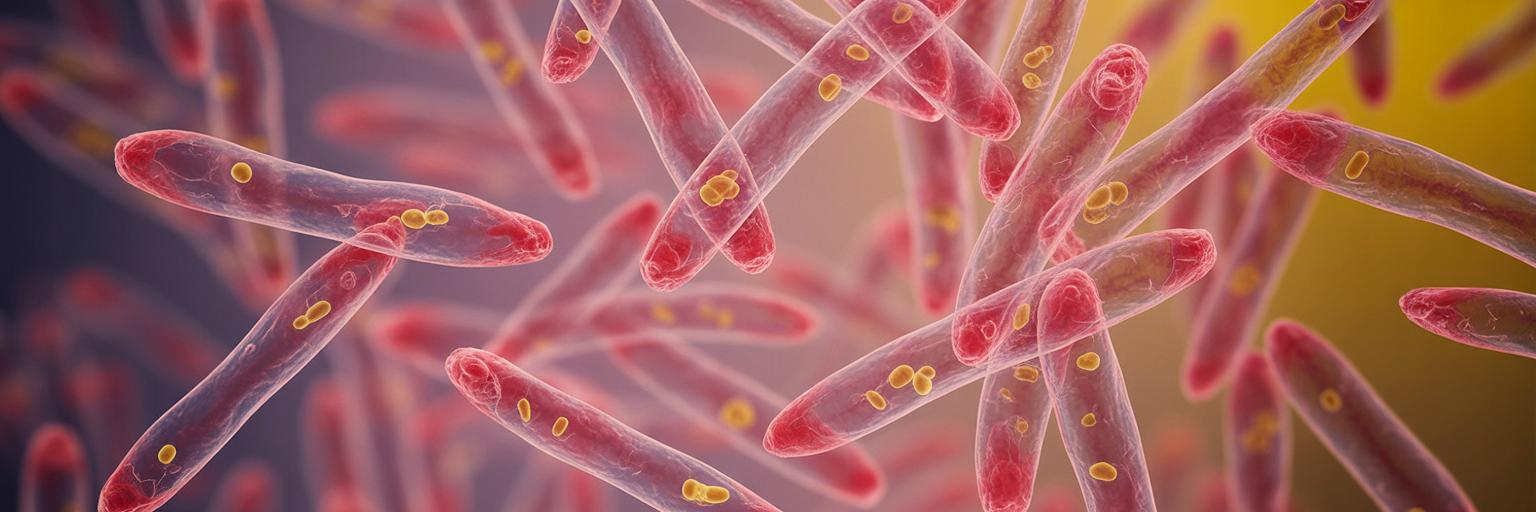
The evolutionary adaptation of the Antarctic icefish extends all the way down to the cellular level. To make the most of the limited oxygen delivered by its plasma, the fish’s cells have been fine-tuned for maximum efficiency. This is most evident in the mitochondria, the “powerhouses” of the cell where oxygen is used to generate energy.
Studies have shown that icefish have a much higher density of mitochondria in their cardiac and skeletal muscle tissues compared to red-blooded fish. This abundance of powerhouses helps them extract and utilize every available oxygen molecule from the blood more effectively. The composition of these mitochondria is also unique, featuring a higher content of phospholipids in their membranes. Scientists speculate that this may facilitate faster diffusion of oxygen from the plasma directly into the mitochondria, further optimizing energy production in a low-oxygen internal environment.
Beyond mitochondria, the icefish genome reveals other interesting quirks. It shows an expansion of gene families that help manage oxidative stress, a necessary adaptation for a creature living in a high-oxygen external environment. Curiously, icefish have also lost many genes that regulate circadian rhythms. This is likely an adaptation to the extreme seasonal light cycles of the polar regions, where the sun may not set for months in the summer or rise for months in the winter. The cellular-level ingenuity of the icefish is a testament to life’s ability to adapt, a theme also seen in the incredible secrets of planarian regeneration.
What the Icefish Teaches Human Medicine
The Antarctic icefish is more than just a biological curiosity; it is a living laboratory that offers invaluable insights for scientific and medical research. By studying a creature that thrives in a state of chronic anemia, researchers can better understand the genetic and physiological basis of blood disorders in humans. The fish provides a natural experiment that would be impossible to replicate, showing how an entire organism compensates for the complete loss of red blood cells and hemoglobin.
Beyond blood, the icefish is also a valuable model for studying bone health. Despite its relatively sedentary lifestyle, it maintains surprisingly high bone density. This makes it a unique subject for investigating the mechanisms of bone mineral maintenance and could offer clues for developing new treatments for osteoporosis. The fish’s oversized heart and modified circulatory system also provide a model for understanding cardiac hypertrophy, or the enlargement of the heart, and how it can function under extreme stress.
Ultimately, the icefish challenges our understanding of what is truly essential for vertebrate life. It serves as a powerful model for exploring how complex physiological systems can be rewired in response to environmental pressures. This research helps scientists define the very boundaries of biological relevance and understand what is truly essential for life.
Frequently Asked Questions About the Icefish

Why is the Antarctic icefish’s blood clear?
Its blood lacks red blood cells and hemoglobin, the protein that binds oxygen and gives blood its red color. Oxygen is instead dissolved directly in its clear blood plasma.
Where do these fish live?
They are found exclusively in the frigid, deep waters of the Southern Ocean around Antarctica, where water temperatures are often below freezing.
How do they get enough oxygen to survive?
They absorb oxygen directly from the extremely cold, oxygen-rich water into their plasma. They compensate for this inefficient method with a massive heart, large blood volume, and wide blood vessels to circulate blood very quickly.
Are there any other animals without hemoglobin?
The Antarctic icefish are the only known vertebrates (animals with a backbone) to lack hemoglobin as adults. Some insects and other invertebrates use different molecules or methods for oxygen transport.
Is the icefish endangered?
While not currently listed as endangered, their extreme specialization makes them highly vulnerable to the effects of climate change, particularly rising ocean temperatures which would reduce the water’s ability to hold oxygen.