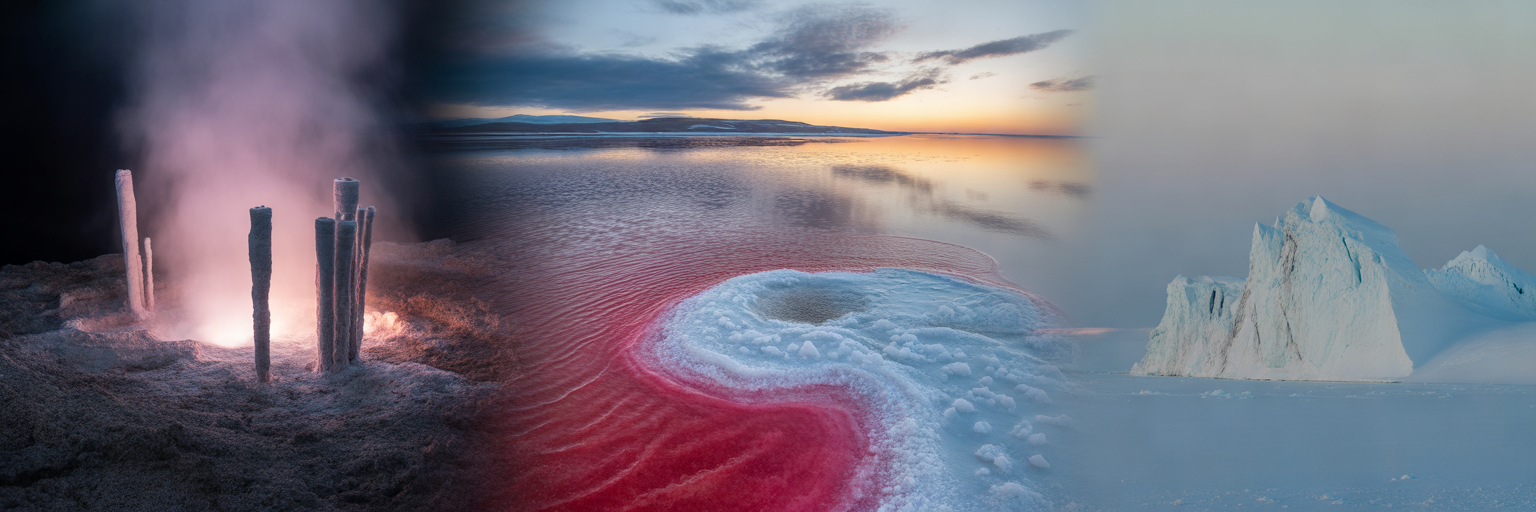
Our perception of a habitable environment is shaped by the conditions we need to live: moderate temperatures, breathable air, and fresh water. Yet, life flourishes in places that would be instantly fatal to humans. The existence of extremophile organisms challenges our assumptions, revealing that the boundaries for life are far wider than we once imagined. These microbes, fungi, and archaea thrive in conditions of intense heat, crushing pressure, and corrosive acidity, rewriting the textbook on what it means to be alive.
Understanding Extremophile Organisms and Their World
The study of life in extreme environments begins with a shift in perspective. What we consider hostile, another organism calls home. This simple truth is the foundation for understanding these remarkable life forms and the seemingly inhospitable worlds they inhabit.
What Makes an Environment ‘Extreme’?
So, what are extremophiles? The term refers to organisms that not only tolerate but actively thrive in physical or geochemical conditions detrimental to most life on Earth. The label ‘extreme’ is entirely anthropocentric; from the perspective of a thermophile living in a boiling hot spring, our room temperature environment would be lethally cold. Scientists define these environments using specific parameters. These include temperatures below 0°C or above 60°C, pH levels below 5 or above 9, intense radiation, immense pressure, or high concentrations of salt. Any organism that has adapted to grow optimally under one or more of these stressors falls into this fascinating category.
Thriving vs. Surviving: The Key Distinction
A critical distinction exists between organisms that thrive in harsh conditions and those that merely endure them. An extremophile requires its specific extreme condition to grow and reproduce. In contrast, an extremotolerant organism can survive exposure to the same condition for a period but does not grow optimally there. A helpful analogy is to compare a desert cactus to a human in the desert. The cactus is an extremophile, perfectly adapted to and dependent on the arid climate. The human, equipped with water and protective gear, is extremotolerant, capable of surviving for a limited time but not truly belonging there. This difference is fundamental, as it highlights how extremophiles have evolved unique biological machinery specifically for life on the edge.
The Major Categories of Extreme Life
The diversity of extremophiles is a testament to life’s adaptability. Scientists classify these organisms into several major categories based on the specific environmental stressor they have mastered. Exploring these different types of extremophiles reveals a catalogue of survival strategies that push the known limits of biology.
Thermophiles and Hyperthermophiles: Masters of Heat
Thermophiles, or ‘heat lovers’, grow best at temperatures above 60°C (140°F). Their more intense cousins, hyperthermophiles, flourish in conditions exceeding 80°C (176°F), with some able to reproduce in water that is literally boiling. These organisms are commonly found in geothermal environments like the hot springs of Yellowstone National Park or near deep-sea hydrothermal vents, where superheated water erupts from the ocean floor.
Psychrophiles: Cold-Loving Life
At the opposite end of the spectrum are psychrophiles, or ‘cold lovers’. These organisms are adapted to frigid conditions, with optimal growth temperatures below 15°C (59°F). They colonize some of the coldest places on the planet, including Antarctic sea ice, deep ocean waters, and permafrost. Their cellular processes are finely tuned to function efficiently when most biological reactions would grind to a halt.
Halophiles: Thriving in Salt
Halophiles, or ‘salt lovers’, inhabit environments with incredibly high salt concentrations, such as Utah’s Great Salt Lake or the Dead Sea. These hypersaline waters are toxic to most organisms because they draw water out of cells through osmosis. Halophiles have evolved mechanisms to balance the salt inside and outside their cells, allowing them to thrive where others would dehydrate and perish.
Acidophiles and Alkaliphiles: Life at pH Extremes
Life also persists at the far ends of the pH scale. Acidophiles grow in highly acidic environments, with some preferring a pH below 3, similar to battery acid. They are found in acidic mine drainage and volcanic soils. Conversely, alkaliphiles thrive in highly alkaline conditions, such as soda lakes and carbonate-rich soils, where the pH can exceed 9. Both types must maintain a near-neutral internal pH to protect their cellular machinery.
Barophiles (Piezophiles): Enduring Crushing Pressure
Barophiles, also known as piezophiles (‘pressure lovers’), are adapted to the immense pressures of the deep sea. They live thousands of meters below the surface, such as in the Mariana Trench, where pressures can exceed 1,000 times that at sea level. Their cellular structures and biochemical reactions are configured to function only under these crushing conditions.
| Category | Environmental Stressor | Defining Condition | Example Habitat |
|---|---|---|---|
| Thermophile | High Temperature | Growth above 60°C (140°F) | Hydrothermal vents, hot springs |
| Psychrophile | Low Temperature | Growth below 15°C (59°F) | Antarctic sea ice, deep ocean |
| Halophile | High Salinity | Requires high salt concentrations (often >1.5 M NaCl) | The Dead Sea, hypersaline lakes |
| Acidophile | High Acidity | Optimal growth at pH < 3 | Acidic mine drainage, volcanic soils |
| Alkaliphile | High Alkalinity | Optimal growth at pH > 9 | Soda lakes, alkaline soils |
| Barophile (Piezophile) | High Pressure | Optimal growth at >400 atm | Mariana Trench, deep-sea sediments |
| Radiophile | High Radiation | Resists high doses of ionizing radiation | Nuclear reactor cooling pools, outer space |
Beyond these primary groups, other specialists exist. Radiophiles resist massive doses of radiation, while xerophiles are adapted to extreme dryness. These unique adaptations are not unlike other incredible survival strategies found in nature; for instance, some animals have evolved equally dramatic solutions to environmental pressures, like the animal that survives by shrinking its own organs to conserve energy during lean times.
Cellular Secrets of Survival Under Stress
The question of how do extremophiles survive is answered at the molecular level. Their resilience is not magic but a product of highly specialized biochemistry. By examining their cells, scientists have uncovered a suite of adaptations that allow them to function where others fail. As detailed in scientific reviews like Survival Strategies of Extremophiles from Springer Nature, these organisms have modified their fundamental cellular machinery.
Adapting the Cellular Boundary: Membranes Built to Last
The cell membrane is the first line of defense. In thermophiles, membranes are rich in saturated fatty acids, which pack tightly together to create a more rigid and stable barrier that will not melt in the heat. In contrast, psychrophiles have membranes with a high concentration of unsaturated fatty acids. These create kinks in the structure, maintaining fluidity and preventing the membrane from freezing solid in the cold.
Proteins That Resist Breaking Down: The Power of Extremozymes
Proteins are the workhorses of the cell, but heat, acidity, or pressure can cause them to unfold and stop working, a process called denaturation. Extremophiles produce special proteins known as extremozymes. These enzymes are fortified with extra chemical bonds and have more compact structures, making them highly resistant to denaturation. Additionally, many extremophiles produce ‘heat shock proteins’, which act like cellular mechanics, finding and refolding other proteins that have been damaged by stress.
Balancing Internal Chemistry: Managing pH and Salt
Maintaining a stable internal environment is critical. Acidophiles survive by actively pumping protons (H+ ions) out of their cells as fast as they enter, preventing their internal pH from dropping to lethal levels. Halophiles employ two main strategies to combat high salinity. The ‘salt-in’ strategy involves accumulating high concentrations of potassium chloride internally to match the external salt level. The ‘salt-out’ approach involves producing or accumulating organic molecules called osmolytes, which balance the osmotic pressure without interfering with enzyme function.
Mastering DNA Repair: The Radiation-Proof Organism
Perhaps one of the most remarkable adaptations belongs to radiophiles like Deinococcus radiodurans. This bacterium can withstand radiation doses thousands of times greater than what would kill a human. Its DNA can be shattered into hundreds of pieces by radiation, yet the organism can reassemble its genome perfectly within hours. This incredible feat is achieved through a multi-layered system:
- It possesses multiple copies of its genome, providing redundant templates for repair.
- Its DNA is organized in a tightly condensed structure, which keeps the broken fragments from drifting apart.
- A powerful suite of repair enzymes works with extreme efficiency to stitch the chromosome back together.
Habitats on the Edge of Possibility
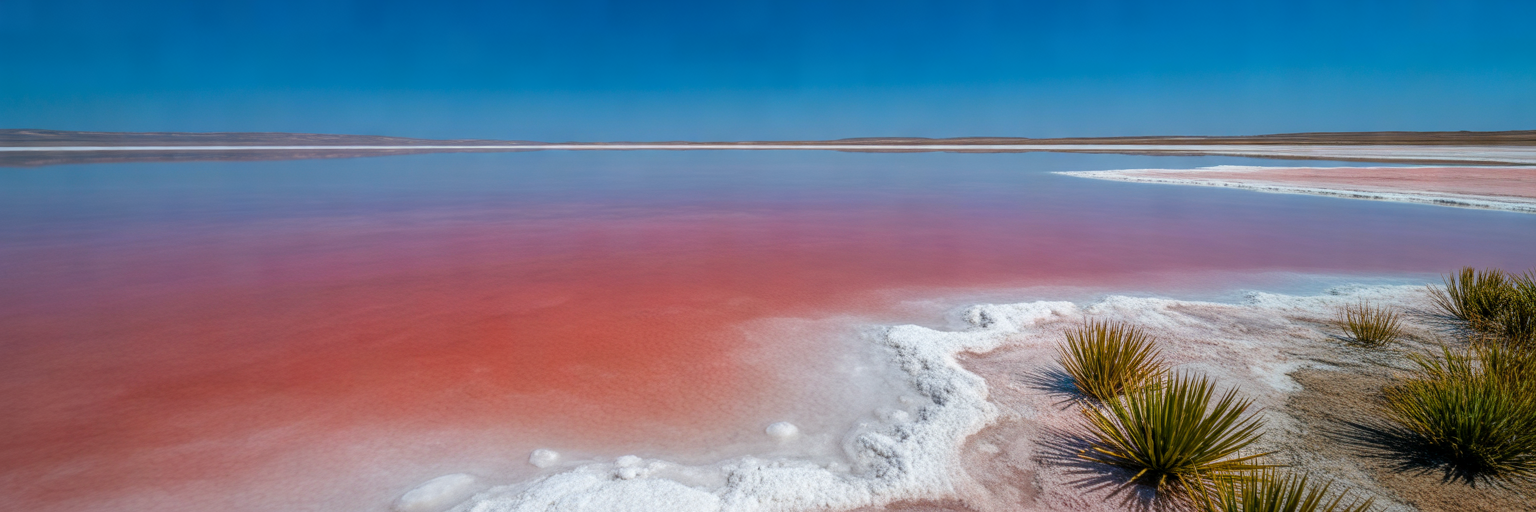
To truly appreciate extremophiles, one must visit their homes. These are some of the most alien landscapes on our own planet, places where the rules of life seem to be rewritten. Exploring these habitats offers a direct view of life in extreme environments.
The Crushing Dark: Deep-Sea Hydrothermal Vents
Imagine a world of total darkness, miles below the ocean surface, where the pressure is immense enough to crush a submarine. Here, hydrothermal vents spew out plumes of superheated, mineral-rich water. Instead of sunlight, life here is powered by chemosynthesis, with microbes harnessing chemical energy from compounds like hydrogen sulfide. These microbes form the base of a unique food web that includes giant tube worms, shrimp, and crabs, all living in a world without the sun.
Life in Liquid Salt: Hypersaline Lakes
Hypersaline lakes, like those in the Atacama Desert or parts of Antarctica, can be saltier than the ocean by an order of magnitude. The water is often a striking pink or red, a hue caused by the pigments in the halophilic archaea that dominate these ecosystems. Salt crystals encrust the shores, and the water is a dense brine that would be toxic to almost any other form of life. Yet here, entire microbial communities thrive.
Streams of Acid: Mine Drainage Sites
When mining exposes sulfide minerals to air and water, it can create acidic mine drainage, producing streams with a pH similar to that of stomach acid. These waters are often colored a rusty orange from dissolved iron and are laden with toxic heavy metals. Despite the corrosive conditions, these streams are teeming with acidophilic bacteria that not only survive but also drive the chemical reactions that produce the acid.
Frozen Worlds: Antarctic Subglacial Lakes
Beneath Antarctica’s massive ice sheets lie hundreds of lakes of liquid water, isolated from the outside world for millions of years. These subglacial lakes, such as Lake Vostok, are defined by profound darkness, extreme cold, high pressure from the overlying ice, and a severe scarcity of nutrients. Scientists have found evidence of microbial life in these isolated ecosystems, organisms that persist in one of the most secluded environments on Earth. The harshness of these habitats, where life endures against all odds, can mirror the brutal dynamics seen in other biological conflicts, and to understand more about such extreme life cycles, one might explore the disturbing parasite life cycles you wont forget.
Surviving Multiple Extreme Conditions
Life rarely faces just one challenge at a time. Many of the harshest environments on Earth present multiple stressors simultaneously, and the organisms that live there are known as polyextremophiles. These microbes are not just specialists in one area but generalists of the extreme, possessing adaptations to several lethal conditions at once. For example, an organism living in a deep-sea hydrothermal vent must be both a thermophile (heat-resistant) and a piezophile (pressure-resistant). Similarly, microbes in alkaline soda lakes are often haloalkaliphiles, adapted to both high salt and high pH.
This resilience is not simply a matter of stacking separate adaptations. Instead, polyextremophiles often exhibit synergistic adaptations, where a single biological mechanism provides resistance to multiple stressors. A classic example is the link between resistance to desiccation (dryness) and radiation. Both stressors cause significant damage to DNA and proteins. Consequently, the robust enzymatic repair systems that evolved to fix damage from dehydration are also highly effective at repairing radiation damage. As noted in a review in Frontiers in Microbiology on Polyextremophile engineering, these integrated responses make polyextremophiles biophysically realistic and incredibly resilient. Their survival is a product of efficient, integrated evolutionary design. This complex interplay of survival mechanisms is a theme across biology, seen even in how the predator that hunts using invisible pressure waves has mastered its environment through specialized, integrated senses.
Extremophiles and the Search for Alien Life
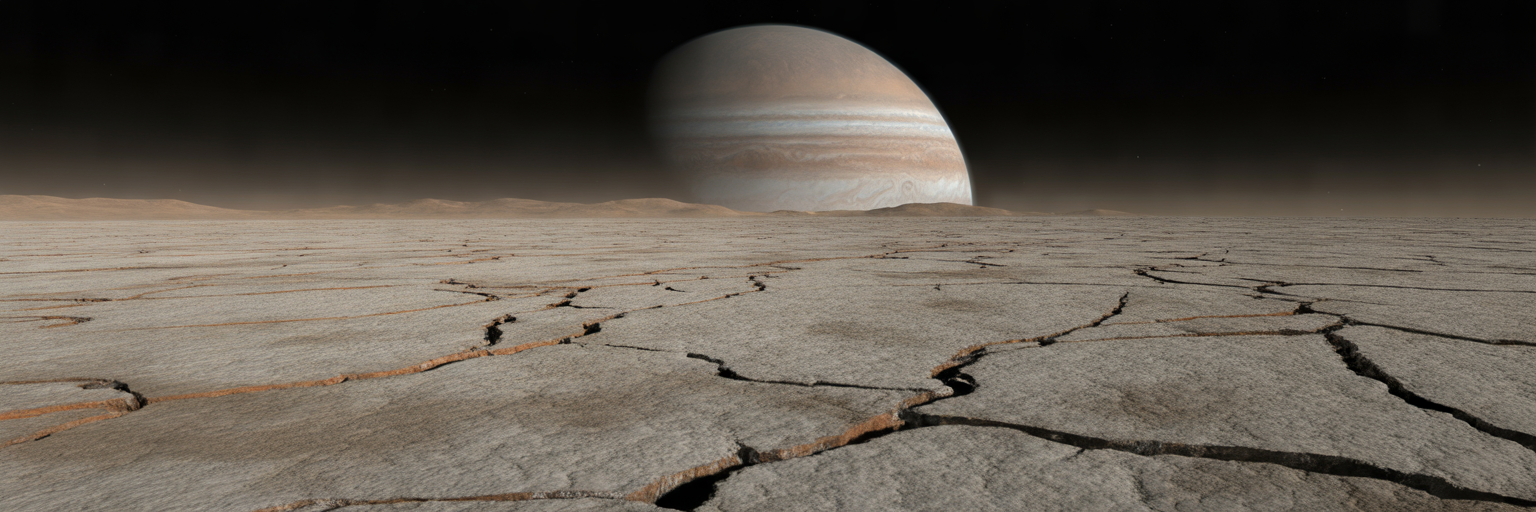
The study of extremophiles has profound implications beyond Earth, directly influencing the field of astrobiology. By demonstrating that life can persist in conditions once thought to be sterile, these organisms have fundamentally redefined our concept of a ‘habitable zone’ and expanded the list of places where we might search for life beyond our planet. The connection between extremophiles and astrobiology provides a scientific framework for one of humanity’s oldest questions: are we alone?
Earthly Analogs for Alien Worlds
Extremophiles on Earth serve as powerful analogs for potential life on other planets and moons. The psychrophiles found in Antarctica’s subglacial lakes provide a model for how life might exist in the subsurface ocean of Jupiter’s moon Europa or Saturn’s moon Enceladus, both of which are thought to harbor liquid water beneath icy shells. Acidophiles that thrive in environments like Spain’s Rio Tinto offer clues about what past or present life on Mars might look like, as the Red Planet’s ancient environment was likely acidic and rich in iron and sulfur.
A Guide, Not a Guarantee
It is crucial to maintain a balanced perspective. The existence of extremophiles on Earth does not prove that life exists elsewhere. Instead, it provides a proof of concept. It tells astrobiologists where to look, what kinds of environments might be habitable, and what chemical biosignatures to search for. By studying the absolute physicochemical limits of life on our own planet, we can better design missions and instruments to detect it on others. Extremophiles expand our scientific imagination, confirming that life’s tenacity is far greater than we experience daily. This search for life in alien conditions parallels the study of other unique biological systems, like understanding the Venus flytrap mechanism explained, which also reveals life’s intricate solutions to environmental challenges.
Frequently Asked Questions about Extremophiles
What is the most ‘extreme’ organism known?
The title of ‘most extreme’ is subjective because it depends on the category of stress. For heat, certain archaea like Methanopyrus kandleri can grow at 122°C (252°F). For radiation resistance, Deinococcus radiodurans is the undisputed champion. For pressure, microbes have been found in the Mariana Trench at depths where the pressure is over 1,100 times that at sea level. There is no single ‘champion’ of all extremes.
How are extremophiles used in technology and industry?
Extremophiles are a valuable resource for biotechnology. Their stable extremozymes are used in a variety of industrial processes. The most famous example is Taq polymerase, an enzyme from the thermophile Thermus aquaticus, which is essential for the polymerase chain reaction (PCR) used in medical diagnostics, genetic research, and forensics. Other enzymes are used in detergents (cold-active enzymes for cold-water washing) and in the production of biofuels.
Can extremophiles be harmful to humans?
The vast majority of extremophiles are not pathogenic to humans. Their cellular machinery is so highly specialized for their extreme environments that they cannot survive, let alone reproduce, in the moderate conditions of the human body (around 37°C, neutral pH, and low salinity). They pose virtually no threat to human health.
Does finding extremophiles on Earth mean there is life on Mars?
No, it does not. Finding extremophiles on Earth makes the possibility of life on Mars more plausible by demonstrating that life can exist in similarly harsh conditions (extreme cold, radiation, dryness). It provides a scientific basis for our search and helps us know what to look for, but it is not direct evidence of extraterrestrial life. It is a proof of concept, not a confirmation.