It’s a scene many gardeners know: a glistening slug on a prized lettuce leaf, and a container of table salt nearby. The impulse is almost instinctual. But what actually happens in that moment is a violent biological event, driven by a fundamental law of physics. Understanding this process reveals not just why salt is so effective, but why it’s such a brutal method.
The Cellular Reaction to a Grain of Salt
To understand what happens when you salt a slug, you first need to grasp a core principle of biology: osmosis. Think of a screen door on a summer evening. If the air inside your house is clean and the air outside is thick with barbecue smoke, the smoke particles will naturally drift through the screen until the concentration is roughly equal on both sides. The screen is a semi-permeable membrane, and nature seeks balance.
A slug’s skin is a far more sophisticated version of that screen door. It’s a moist, permeable membrane designed to absorb oxygen and water from its environment. This is the key to the science of osmosis in slugs. When a grain of salt lands on a slug, it dissolves into the creature’s slimy mucus coating. Instantly, the area outside the slug’s skin becomes an extremely concentrated saltwater solution, far saltier than the fluid inside its cells.
Nature’s drive for equilibrium kicks into high gear. The slug’s skin, acting as that semi-permeable membrane, allows water to move freely. To balance the concentration, water is pulled with incredible force from inside the slug’s cells into the salt solution on its skin. This isn’t a gentle drying process. It is a rapid, catastrophic dehydration at the cellular level. The question of why does salt kill slugs is answered right here: their bodies are being drained of water against their will.
As water rushes out, the slug’s cells begin to collapse. This process, known as crenation, is like letting all the air out of millions of tiny balloons at once. The cells shrivel, their structure fails, and the surrounding tissues are destroyed. You can see this happening in real time as the slug appears to “melt,” its body convulsing as it’s overcome by systemic cellular collapse. This leads to massive tissue damage and organ failure, which is ultimately what causes death.
It’s important to clarify that salt is not a poison in the way a pesticide is. It doesn’t interfere with the slug’s nervous system through a chemical reaction. Instead, it kills through an overwhelming physical process. The salt creates an osmotic pressure so immense that the slug’s body simply cannot withstand the violent exodus of its own water. The very biology that allows a slug to thrive in a damp garden becomes its undoing in the face of a few salt crystals.
A Slug’s Anatomy and Its Unique Vulnerability
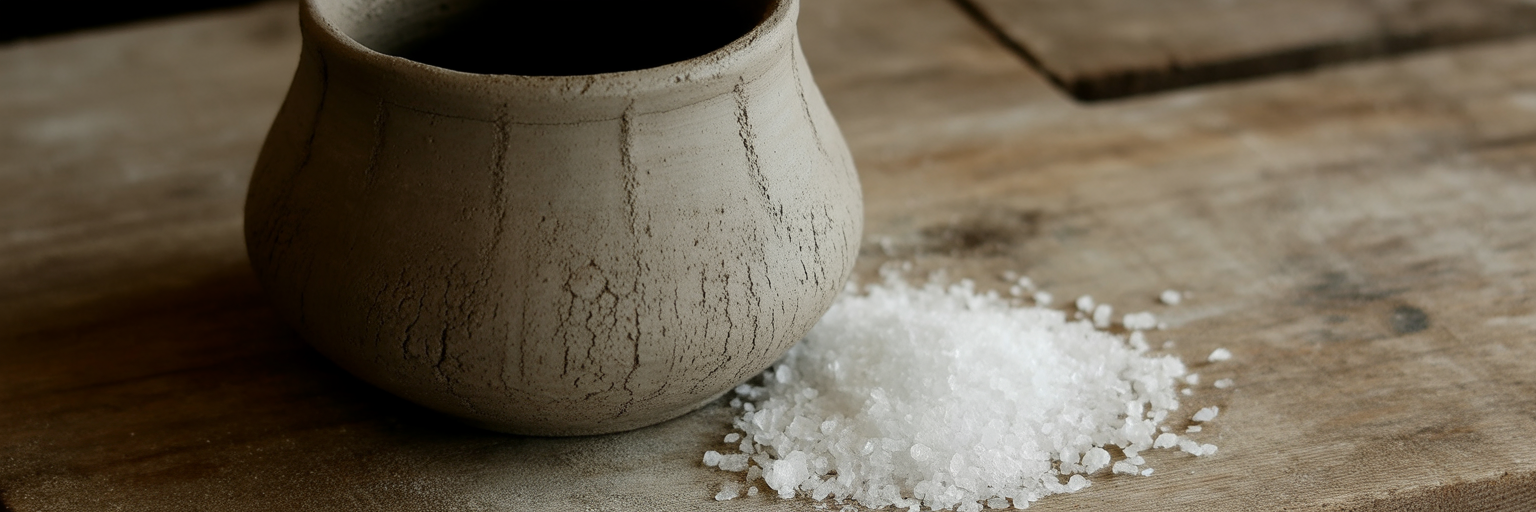
The catastrophic reaction to salt isn’t universal in the animal kingdom. An insect or a worm might be irritated by salt, but they won’t dissolve into a frothing puddle. The slug’s unique anatomy makes it exceptionally, almost perfectly, vulnerable to this kind of attack. Its greatest strength in its natural habitat becomes its most fatal weakness.
The primary issue is the slug’s skin. It is a thin, soft, and highly permeable membrane. This design is essential for its survival, allowing it to breathe by absorbing oxygen directly from the air and maintain the moisture it needs to live. However, this same permeability offers absolutely no defense against desiccants like salt. Unlike an insect protected by a waxy, water-resistant exoskeleton or a snail that can retreat into its hard, impermeable shell, the slug is completely exposed.
Water is everything to a slug. Its body can be composed of up to 90% water, which isn’t just for hydration. This water provides its body structure through a hydrostatic skeleton, a fluid-filled cavity that relies on pressure to allow for movement. Without sufficient water, the slug loses its ability to move, maintain its shape, and function. This water is also the primary ingredient for the mucus it produces to slide across surfaces and protect its delicate skin.
Herein lies the tragic irony of the slug’s defense. When confronted with a harmful substance like salt, its instinct is to secrete a massive amount of mucus to try and wash it away. But this defensive act is fatal. To produce that mucus, the slug must draw from its internal water reserves, rapidly accelerating the very dehydration that is killing it. It is effectively sacrificing its lifeblood in a futile attempt to save itself. Each wave of mucus it produces only pulls more water from its collapsing cells.
This defenselessness stands in stark contrast to the specialized survival mechanisms seen elsewhere in nature. For instance, while some creatures have evolved bizarre survival tactics, like the parrotfish that sleeps inside a bubble of its own slime to protect itself, the slug’s primary defense only worsens its predicament. Its entire physiology, from its permeable skin to its water-based structure and its mucus-producing instinct, is perfectly, and fatally, designed to succumb to the osmotic shock induced by salt.
The Question of Mollusk Pain Perception
Knowing the violent cellular destruction that salt causes leads to an uncomfortable but necessary question: do slugs feel pain from salt? While we can never truly know the subjective experience of another creature, science offers compelling evidence that the process is, at the very least, intensely distressing.
First, we must distinguish between “nociception” and “pain.” Nociception is the nervous system’s ability to detect a harmful or damaging stimulus. Pain is the unpleasant emotional and sensory experience that often accompanies it in more complex animals like humans. While we can’t prove a slug feels pain in the same way we do, we can look for evidence of nociception. And the evidence is strong.
Scientific research has identified nociceptors in mollusks, including slugs. These are specialized nerve endings that respond specifically to damaging chemical, thermal, and physical stimuli. When a slug’s cells begin to rupture from osmotic shock, these nociceptors fire off signals to its simple brain, or cerebral ganglia, indicating severe tissue damage. As a 2023 article in BBC Science Focus Magazine confirms, the scientific consensus leans towards slugs possessing the necessary apparatus to detect noxious stimuli.
The slug’s behavior provides the second piece of the puzzle. When salted, a slug doesn’t just stop moving. It engages in frantic, complex avoidance behaviors. It writhes, thrashes its body, and attempts to flee. These are not random spasms; they are coordinated actions driven by its nervous system to escape a source of extreme harm. This complex response is a world away from the seemingly simple actions of other creatures, such as the star-nosed mole that eats faster than you can blink, whose behavior is driven by pure instinct for survival. The slug’s reaction is one of clear distress.
To put this into perspective, consider a human analogy. A slug’s skin is a moist, permeable, mucus-covered membrane full of nerve endings. The closest human equivalent is an open eye. Imagine having a handful of salt thrown directly into your eye. The immediate, searing sensation and the involuntary physical reaction would be overwhelming. It is reasonable to assume that a slug, whose entire body is essentially as sensitive as our eyes, experiences a similarly agonizing event.
While absolute proof of subjective pain remains elusive, the combination of physiological evidence (nociceptors) and observable behavioral responses (frantic escape attempts) leads most scientists and ethicists to a clear conclusion. The process of being salted is almost certainly a severe and agonizing experience for a slug, prompting a serious ethical re-evaluation of this common garden practice.
The Environmental Cost of Using Salt in Gardens
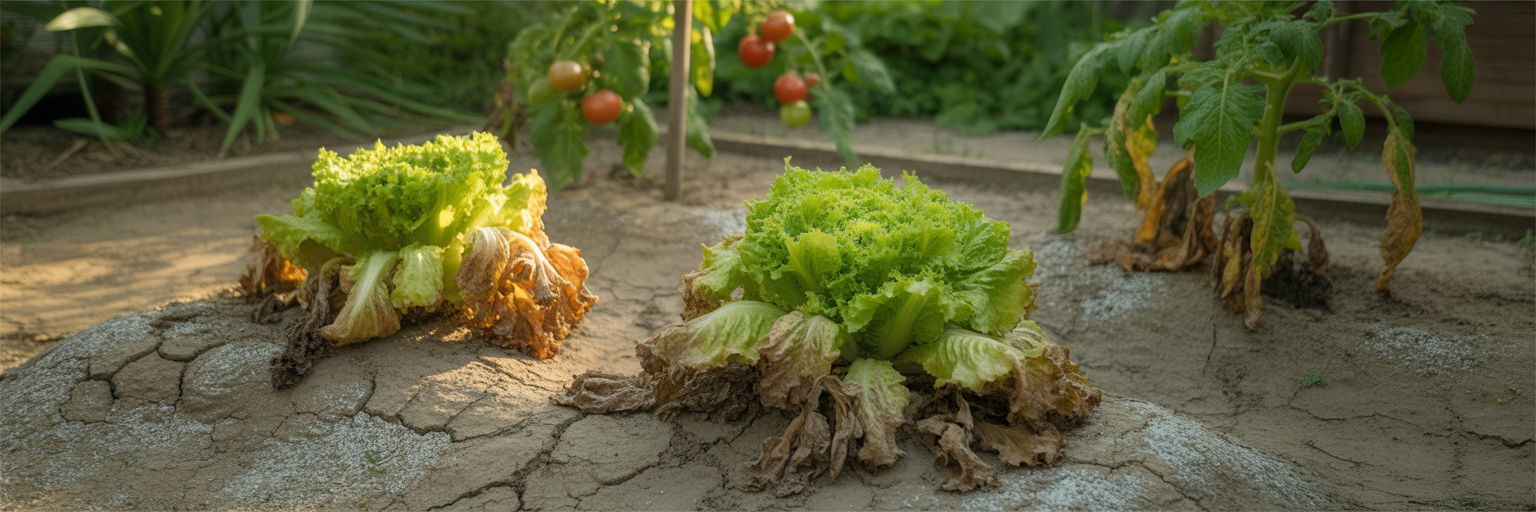
Beyond the question of animal suffering, using salt as a pest control method comes with a significant and often overlooked environmental cost. Sprinkling salt in your garden to kill a few slugs is a bit like using a sledgehammer to swat a fly. The collateral damage extends deep into the soil, affecting the very foundation of your garden’s health.
The primary issue is salt damage to garden soil. When sodium chloride, or table salt, dissolves into the ground, it fundamentally alters the soil’s structure. The sodium ions cause fine clay particles to break apart and then clump together, a process called soil dispersion. This leads to compaction, creating a hard, dense layer that water and air cannot easily penetrate. Healthy, loamy soil becomes brick-like and inhospitable to plant roots.
This leads directly to harm for your plants. High salt concentrations in the soil create a condition known as “physiological drought.” Even if the soil is damp, the salt makes it impossible for plant roots to absorb water through osmosis. In fact, the process reverses, and water can be pulled out of the roots, causing the plant to dehydrate. For common American garden plants, the symptoms are clear and devastating:
- Wilting: Plants droop as if they are thirsty, even after watering.
- Yellowing Leaves (Chlorosis): Salt interferes with nutrient uptake, causing leaves to lose their green color.
- Stunted Growth: Plants lack the water and nutrients needed for healthy development.
- Leaf Burn: The edges of leaves may appear brown and scorched as salt accumulates in the plant tissue.
Perhaps the most insidious damage is invisible. Healthy soil is a living ecosystem, teeming with billions of beneficial bacteria, fungi, and earthworms. This soil microbiome is essential for breaking down organic matter and making nutrients available to plants. Salt acts as a sterilizing agent, killing off this vital microscopic life. An application of salt can set your soil’s health back for years, creating a sterile environment where nothing thrives.
The impact doesn’t stop at your garden’s edge. Rain and irrigation wash excess salt into local storm drains, which often lead directly to freshwater streams and ponds. This runoff pollutes local waterways, harming fish, frogs, and other aquatic wildlife that are not adapted to saline conditions. The long-term health of a garden, from the soil underfoot to the plants you cultivate and even the outdoor garden seating you relax on, depends on a balanced ecosystem. Using salt disrupts that balance in a destructive and counterproductive way.
Effective and Humane Slug Management Strategies
Fortunately, abandoning salt does not mean surrendering your garden to slugs. A thoughtful and integrated approach to pest management can be far more effective and aligns with responsible gardening practices. Here are several humane slug control methods that protect your plants without causing undue suffering or environmental harm.
1. Create Physical Barriers
Slugs dislike crawling over sharp or uncomfortable surfaces. You can create deterrent barriers around vulnerable plants or entire garden beds using materials like coarse sand, crushed eggshells, or diatomaceous earth (use the food-grade version). For a more robust solution, copper tape is highly effective. When a slug touches the copper, it creates a tiny, harmless electrical charge that is unpleasant enough to make them turn back. It’s perfect for wrapping around the rims of pots and raised beds.
2. Encourage Natural Predators
A healthy garden ecosystem has its own security force. By making your yard more welcoming to natural slug predators, you can establish a self-sustaining control system. In many parts of the United States, this includes ground beetles, toads, garter snakes, and birds like robins and jays. Providing a small water source, ground cover for beetles, and avoiding broad-spectrum pesticides will help attract these helpful allies. This approach is far more sophisticated than simply reacting to a pest, much like how the archerfish that shoots bugs out of the air with water has developed a targeted hunting strategy.
3. Set Simple Traps
Trapping allows you to collect and remove slugs from your garden. The most well-known method is the beer trap. Simply sink a shallow container into the soil so its rim is at ground level and fill it with a small amount of beer. Slugs are attracted to the fermenting yeast, fall in, and drown. Alternatively, you can lay down boards or citrus rinds in the evening. Slugs will congregate underneath them to escape the morning sun, allowing you to easily collect and relocate them far from your garden.
4. Choose Slug-Resistant Plants
You can design your garden to be less appealing to slugs from the start. Slugs tend to avoid plants with fuzzy, waxy, or highly aromatic leaves. Incorporating slug-resistant plants like astilbe, ferns, lavender, rosemary, and ornamental grasses can significantly reduce damage. Placing these tougher plants around more vulnerable ones can also create a protective buffer.
5. Use Safer Baits
If a chemical solution is necessary, choose one with an active ingredient of iron phosphate. These baits are specifically targeted to slugs and snails. After consuming the bait, the slugs lose their appetite and retreat to a hidden place to die. When used as directed, iron phosphate is not harmful to pets, wildlife, or beneficial insects, making it a vastly superior alternative to salt.
| Method | How It Works | Pros | Cons |
|---|---|---|---|
| Copper Tape | Creates a mild, harmless electrical shock that repels slugs. | Highly effective barrier for pots and raised beds; long-lasting. | Can be expensive for large areas; requires a clean surface to adhere. |
| Diatomaceous Earth | Microscopic sharp edges scratch the slug’s skin, causing dehydration. | Natural and non-toxic; also deters other crawling insects. | Must be reapplied after rain or watering; can harm beneficial insects. |
| Beer Traps | Slugs are attracted to the yeast, fall into the container, and drown. | Easy to set up with household items; very effective at reducing local populations. | Needs to be emptied and refilled regularly; can attract other insects. |
| Natural Predators | Encouraging birds, toads, and beetles to inhabit the garden. | Self-sustaining and free; improves overall garden biodiversity. | Takes time to establish; not a quick fix for a major infestation. |
| Iron Phosphate Bait | Slugs consume the bait, stop feeding, and retreat to die. | Specifically targets slugs/snails; safe for pets and wildlife when used as directed. | Is a chemical product; effectiveness can vary based on brand and conditions. |